Category: Latter-day Saint Thought
-
Thoughts on Our Polygamy Problems
So I’m thinking about doing a series of posts on the thorny topic of the problems polygamy causes for the church. I know that’s pretty obvious and has been discussed at length, but I wanted to highlight the challenge the church has of making the problem go away. It seems clear that the leaders would…
-

CFM 10/19-10/25: Thoughts and Poetry for “Before I Formed Thee in the Belly I Knew Thee”
When we realize that God has known us, literally forever, does that change our relationship with Him? Do we see His actions in our lives, as well as the things that happen to us that may not be His will—do we see our lives differently? Our belief in a pre-existence is somewhat unusual among the…
-
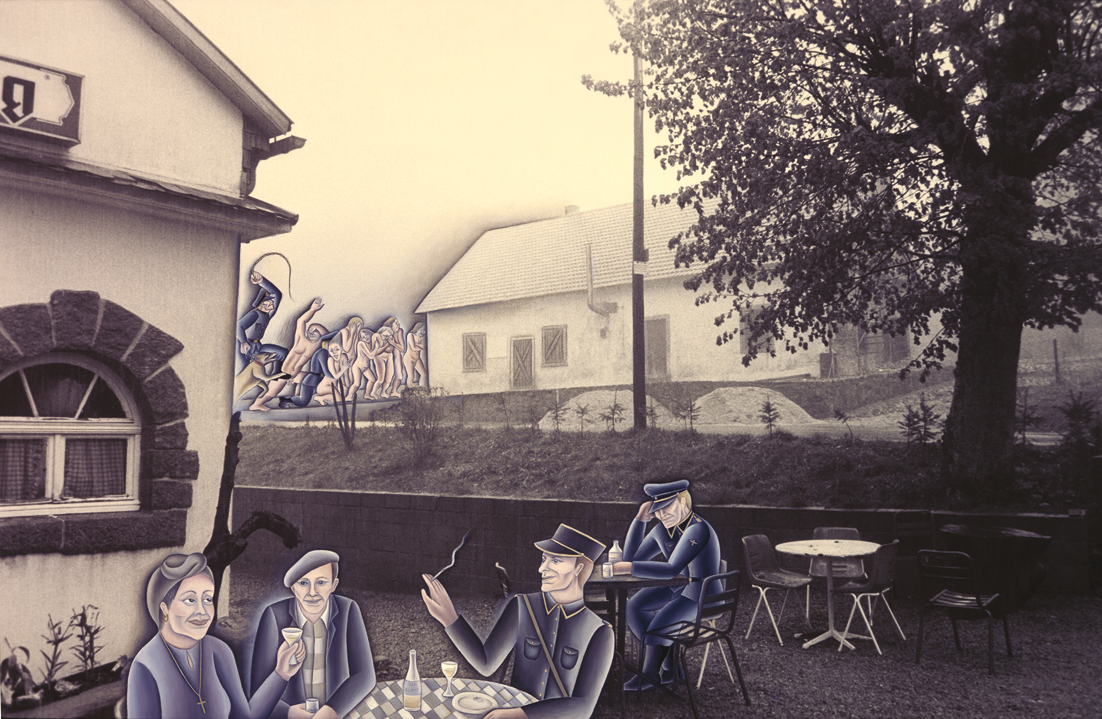
When Peace Is More Than Personal
This week, peace has become something more than personal for me. For many of us in the United States today, and in most western countries for that matter, peace is thought of as part of the background of our lives. We don’t see violence in person, and its often not close enough. We’re privileged to…
-
Attention Spans and Spiritual Diets in the 21st Century
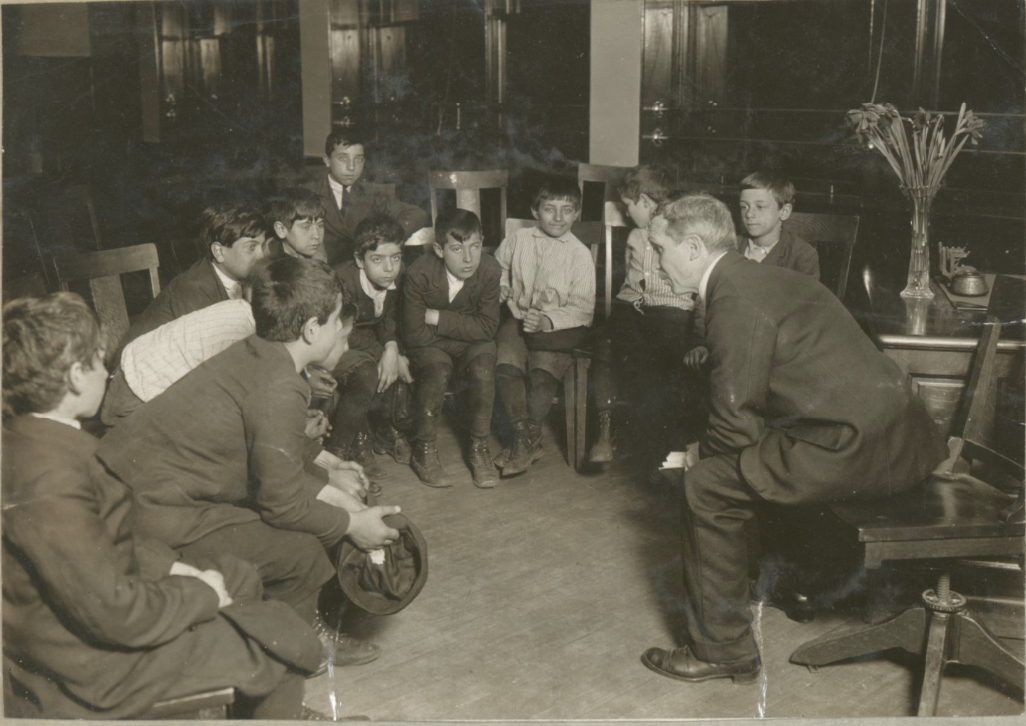
I ran across the below photo of the multilingual story hours that public libraries used to put on for immigrant communities (the below is of Italian children listening to Pinocchio). As a father of fashionably attention-deficit sons, I was immediately struck by how rapt the young children’s attention was to the teacher. With kids these…
-
CFM 10/12-10/18: Thoughts and Poetry for “The Redeemer Shall Come to Zion”
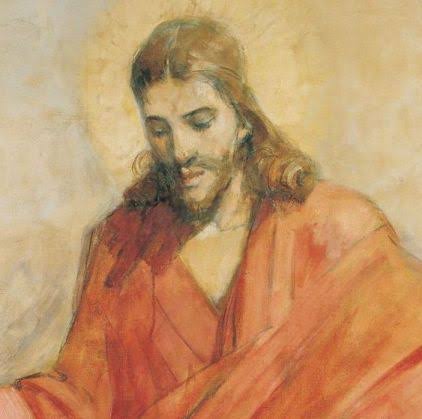
In Isaiah’s poetic language, we see references to our Savior and Redeemer frequently, yielding important insight into His role and into how we benefit from that role. Indeed, reading scriptures like those of Isaiah helps us build testimonies of Him. Since Isaiah lived hundreds of years before the birth of Christ, these teachings foresee His…
-

What Do People Know About Latter-day Saints?
What do People Know About the Church of Jesus Christ of Latter-day Saints? Members sometimes have this image of what the normie gentiles think about us (one that often that neatly fits into our view of how the Church should change), when in fact hardly anybody knows anything about us beyond the basics, and sometimes…
-
CFM 10/5-10/11: Thoughts and Poetry for “He Hath Borne Our Griefs, and Carried Our Sorrows”
[This post for the Come Follow Me lesson that covers Isaiah 50-57, to be read October 5-11, and discussed on October 11th] A fascinating aspect of Isaiah is how much this book of scriptural poetry can be read as about the Messiah — and has been read as messianic for so long that its sometimes…
-
How I taught Proverbs and Ecclesiastes (annotated edition)
[When I was asked to fill in as the Gospel Doctrine teacher for the first week of the new schedule with 25-minute lessons, I realized from the start that the lesson would go more or less like this.]
-
Joseph Smith as a 19th Century L. Ron Hubbard
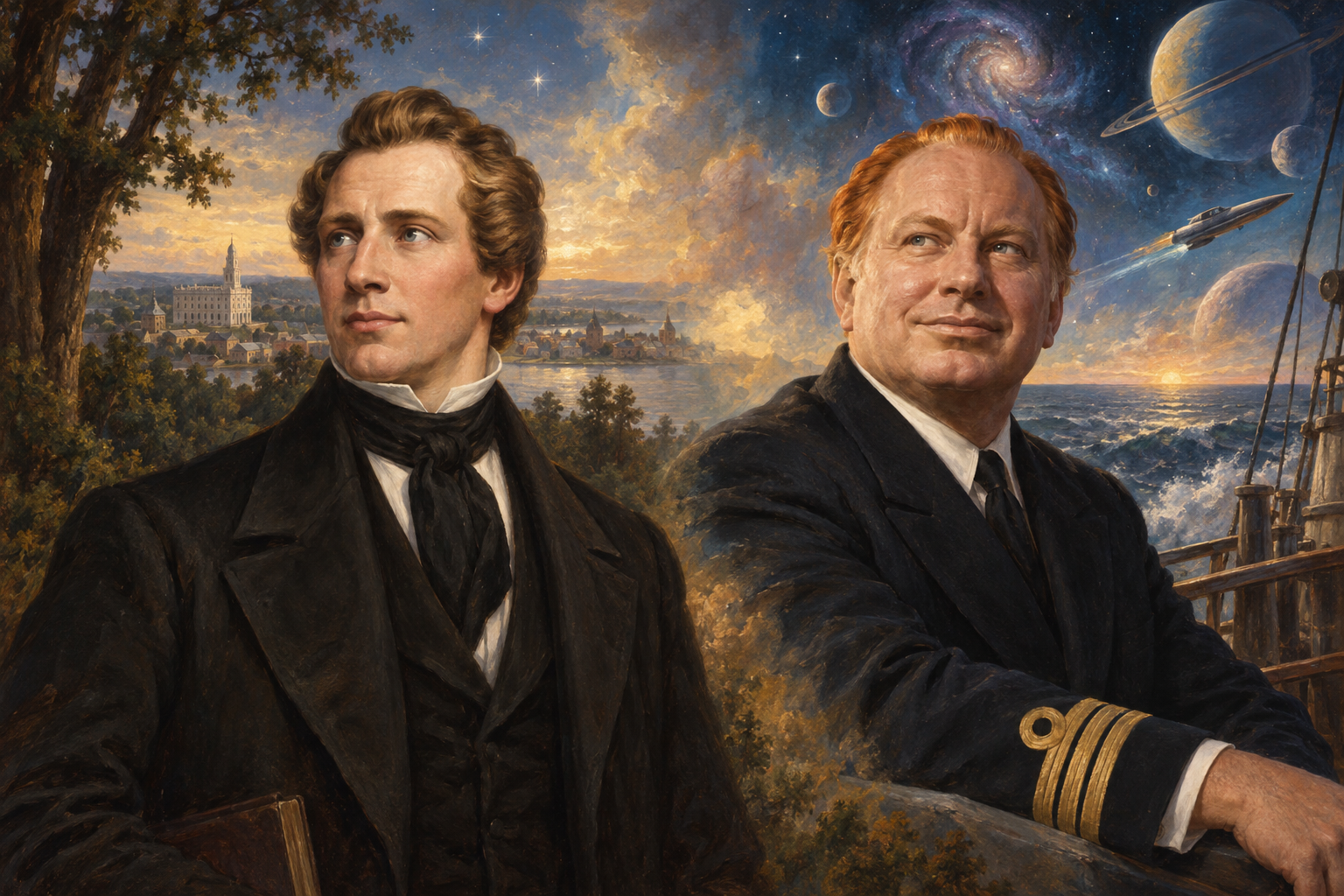
Internet discourse often compares Joseph Smith to L. Ron Hubbard, and there are some superficial similarities: they both engaged in magic practices, they were both charismatic, they both enjoyed military uniforms and titles, and for non-believers in either they both (depending on your view) came up with fantastical new worlds. L. Ron Hubbard’s teachings are…
-
Judging in our Meetings (Or What Did Church Lead You to Think About Yesterday), 9/20
How often do we decide that a talk given in Sacrament Meeting, or a lesson given at church just wasn’t very good? If you have done this, can I ask “What were your criteria for judging? How did you know it was good or not?” I think the issue of criteria is an important one.…
-
CFM 9/28-10/4: Thoughts and Poetry for “Comfort Ye My People”
Does anyone not need comfort? Over the course of this year’s scripture study, I have noticed how frequently we talk about suffering, and the need for suffering. If nothing else, the lesson on Job focuses on the fact that everyone goes through suffering in this life — and recently I pointed out that our beliefs…
-
The Rest of the Story of a Poem
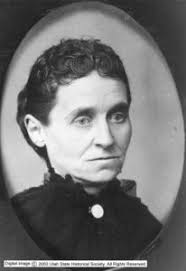
One of the most frequently published and regarded most highly LDS poets of the 19th century was Emily Hill Woodmansee, who is best remembered for the poem “As Sisters in Zion,” currently #309 in the hymnal. For us today, like almost all 19th century poetry, her work might seem rather conventional—it’s almost all written in…
-
Baptisms for the Dead Among the Early Christians: What Does the Literature Say?
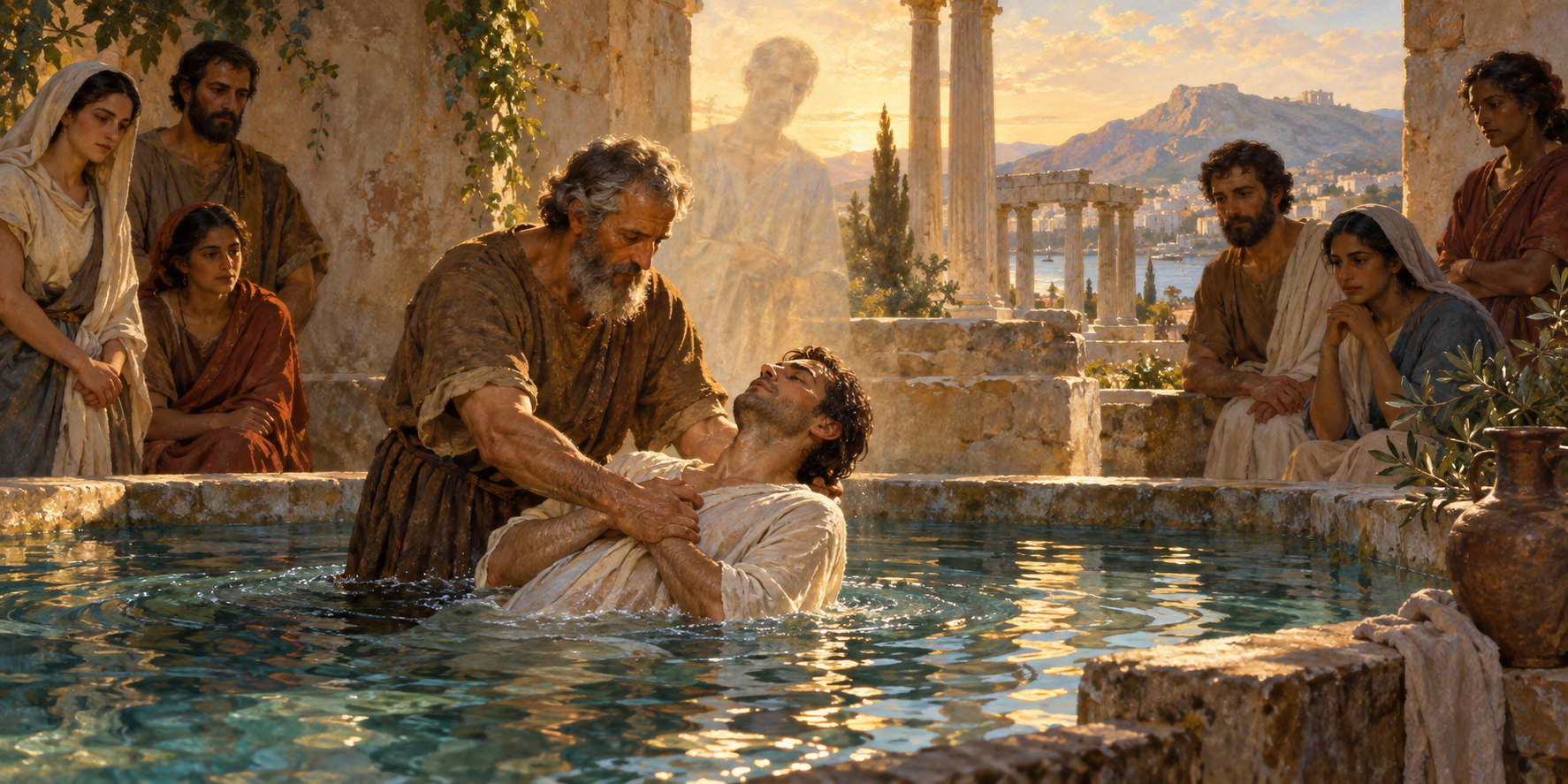
Baptisms for the Dead at Corinth Baptisms for the Dead among early Christians is occasionally touched on in apologetics works, but like my earlier piece on female ordination and early Church structure I wanted to do a deeper dive on what the research literature had to say about the subject. I read/perused the articles below…
-
Others in our Meetings (Or What Did Church Lead You to Think About Yesterday), 9/13
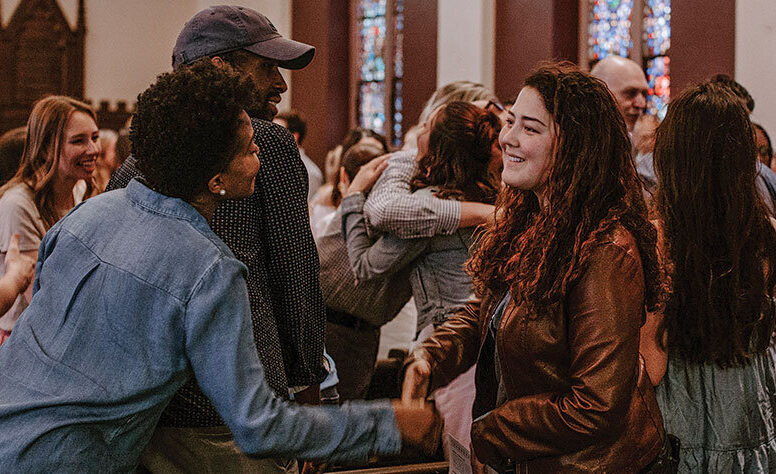
Regardless of what we think the ideal Church meeting is like, others are there. While our purpose in going to Church is to worship, we seem to believe that others need to be there. I am not aware of anything that says that we can’t worship by ourselves (and many of our worship practices—prayer, scripture…
-

CFM 9/21-9/27: Thoughts and Poetry for “A Marvellous Work and a Wonder”
“A Marvelous Work and a Wonder” is one of the handful of biblical phrases that our religious tradition has given different meaning from what others understand. Where the phrase in Isaiah is often thought by non-LDS scholars to refer to the confounding of those who think they are wise, the similar language found in the…
-

The Glasses of Twenty Five Years
Today can be painful. It has been painful for me. How it is painful depends on how you see it. Recently I have been taking classes in graduate school. Many of our discussions in class have focused on various ways of looking at the texts we have studied. During most of the past 50 years,…
-

Constructing in our Meetings (Or What Did Church Lead You to Think About Yesterday), 9/6
What are we building in Church, and why? This past week, in one of the Maxwell Institute’s new podcast series “Faith in Every Footnote”, an idea jumped out at me. Observing that in the humanities, students are often given the tools to be critical—to look carefully at a text or an event, and take it…
-

CFM 9/14-9/20: Thoughts and Poetry for “God Is My Salvation”
What is the source of Salvation? We look, of course, to Christ and his atonement for salvation. But when we try to understand how that salvation works, where do we turn? The lesson covers the words of Isaiah, which we are told will all be fulfilled, but Isaiah is sometimes quite obscure to readers today…
-

CFM 9/7-9/13: Thoughts and Poetry for “He Shall Direct Thy Paths”
What is wisdom exactly? Is it the ability to think clearly in a moral context? Is it something that we are learning here on this earth? Is it something that should eventually be independent of our Heavenly Parents? Or is it, by nature, listening to Them? Thinking in this vein, the books of Proverbs and…
-
Everything wrong with the new hymn book (1799 edition, colorized)
From the anonymous Kritik des neuen Dresdnischen Gesangbuchs (“Critique of the new Dresden hymnal”), Strasbourg: Johann von Guttenberg, 1799 (VD18 11538767), pp. 15-20. I also insist that a generally usable song collection should contain all new and good songs that exist. The number that exists cannot be so high as to make such a book…
-
Coduction (learning together) in our Meetings (Or What Did Church Lead You to Think About Yesterday), 8/23
Have you ever had an experience where a conversation with someone else led you to think about things differently, or understand something new? That happens to me a lot. There’s something about talking with others that makes my brain see things differently. This kind of mutual learning, or discovery through conversation is something I’ve found…
-

CFM 8/31-9/6: Thoughts and Poetry for “Let Every Thing That Hath Breath Praise the Lord”
I have often found the idea of praise confusing because of what it says about God. Has He told us that we must praise Him? Why would an all-powerful being need us to praise Him? The idea that we are commanded by God to praise the Lord seems more like the actions of arrogant and…
-
A Schism of Loyalty: Aidan and Tristan Caplan on the Third Convention
When we study historical schisms in Christian churches, including Latter-day Saints, we usually encounter stories of bitter theological disputes, splinter groups following charismatic figures, or outright rejections of foundational doctrines. But what happens when nearly a third of a country’s members break away from Church headquarters—not because they reject the Restored Gospel, but because they…
-
Variety in our Meetings (Or What Did Church Lead You to Think About Yesterday), 8/16
One member of our ward was well-known for getting up every Fast Sunday and giving essentially the same testimony. He has a strong but simple testimony, one that many members might dismiss or ignore because it isn’t as “sophisticated” as what they would say. Illness now prevents him from attending our ward, but he remains…
-

CFM 8/24-8/30: Thoughts and Poetry for “I Will Declare What He Hath Done for My Soul”
The impact of Christ’s atonement is beyond calculation and likely beyond mortal comprehension. His sacrifice is pivotal in the life of those who will accept its life-changing help. Less-often discussed is our own role in the atonement — that is, without accepting it, and implementing it in our lives, Christ’s sacrifice is of little help.…
-
Responsibility in our Meetings (Or What Did Church Lead You to Think About Yesterday), 8/9
In the past few years, one of the most influential books I have read is Wayne C. Booth’s masterwork, The Company We Keep, his attempt to look at the role of ethics in literature. Booth is one of the most influential literary thinkers of the last half of the 20th century, and is responsible for…
-
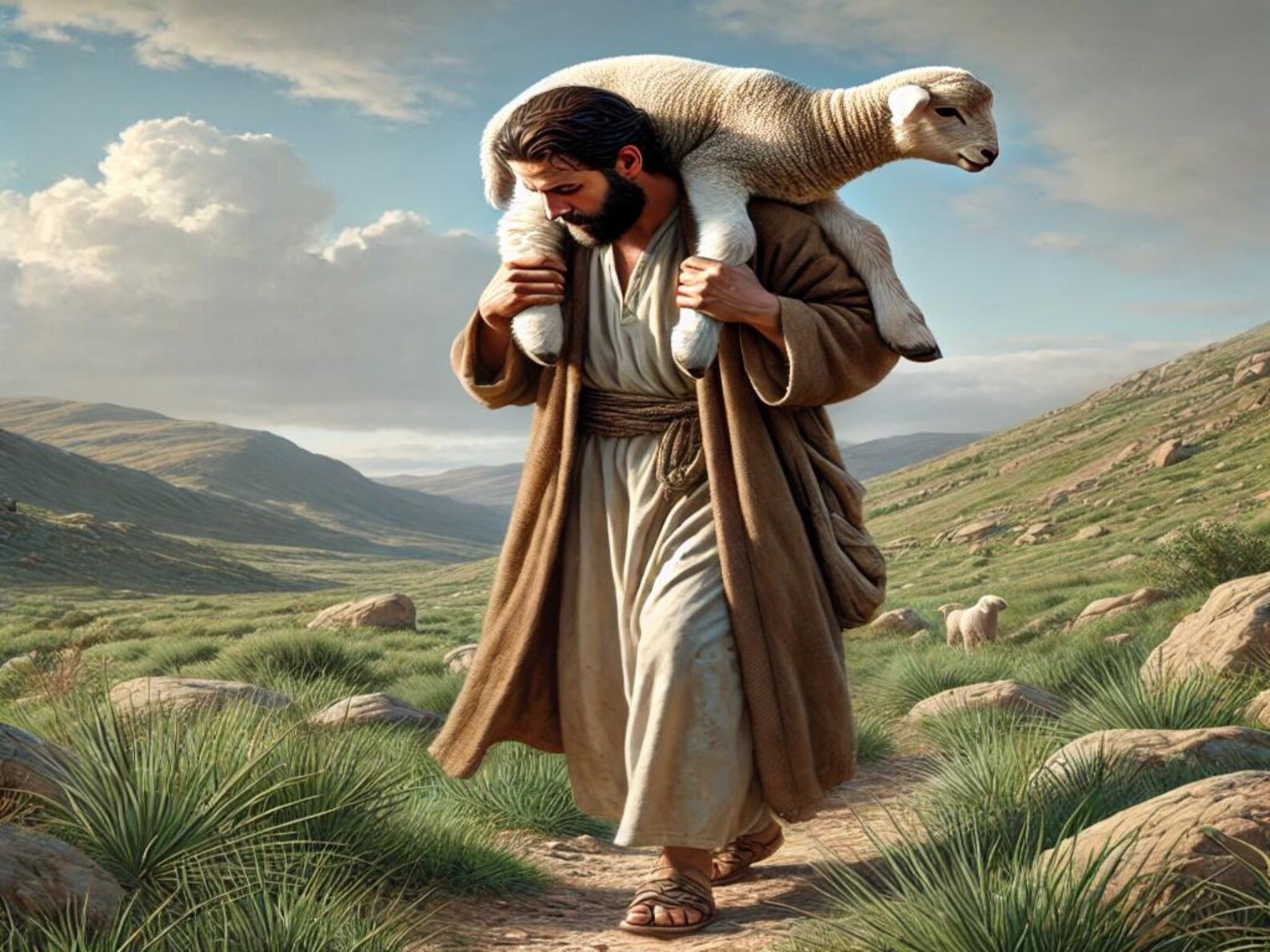
CFM 8/17-8/23: Thoughts and Poetry for “The Lord Is My Shepherd”
The fact that the Psalms are poetry is more noticeable than other books of the Bible, where the poetry has been obscured by things like translation and changes in culture. In fact, scholars estimate that one-third to one-half of the Old Testament was originally written as poetry. As a result the Come Follow Me manual…
-
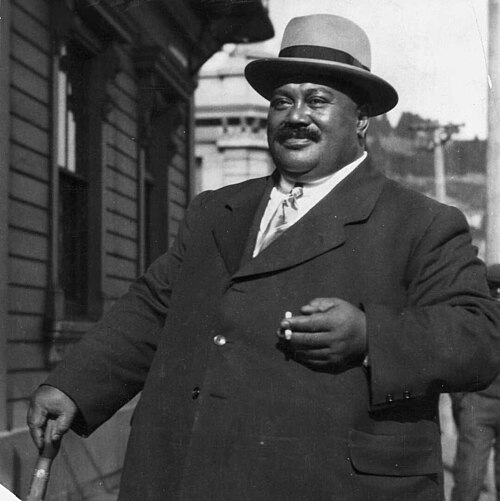
Extreme Pacifism and the Moriori: The Anti-Nephi Lehites of the South Pacific
The last full-blooded Moriori The Anti-Nephi Lehites are a compelling narrative. A formerly violent people who lay down their swords to the point of being willingly massacred, and then a deus ex machina sort of happens and they are saved by the conscience of their attackers. But what happens if the attackers don’t stop? What…
-
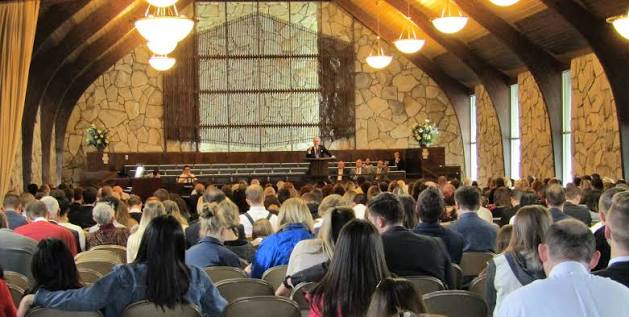
A “Great Work” in our Meetings (Or What Did Church Lead You to Think About Yesterday), 8/2
What is important in our meetings? Immediately, most church members will say the sacrament—which implies that the rest of sacrament meeting is just context. It is true that the sacrament represents the most (or perhaps only) important, or truly great, element of our theology and our practice. But we should probably think about what we…