Author: Chad Nielsen
-
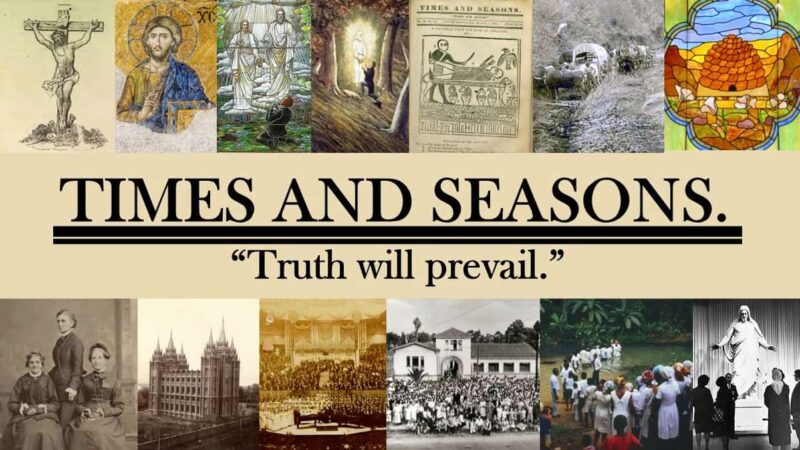
From Obscured to Omnipresent: Jennifer Champoux on the Evolution of Latter-day Saint Portraits of Jesus
When we walk the halls of our meetinghouses today, we are greeted by intimate, soft-focus portraits of a smiling Jesus Christ, leading many of us to assume that Latter-day Saints have always embraced such direct depictions of the Savior. However, the visual history of the Church tells a much more complex story, revealing an artistic…
-
Are Handbells Only for Christmas?
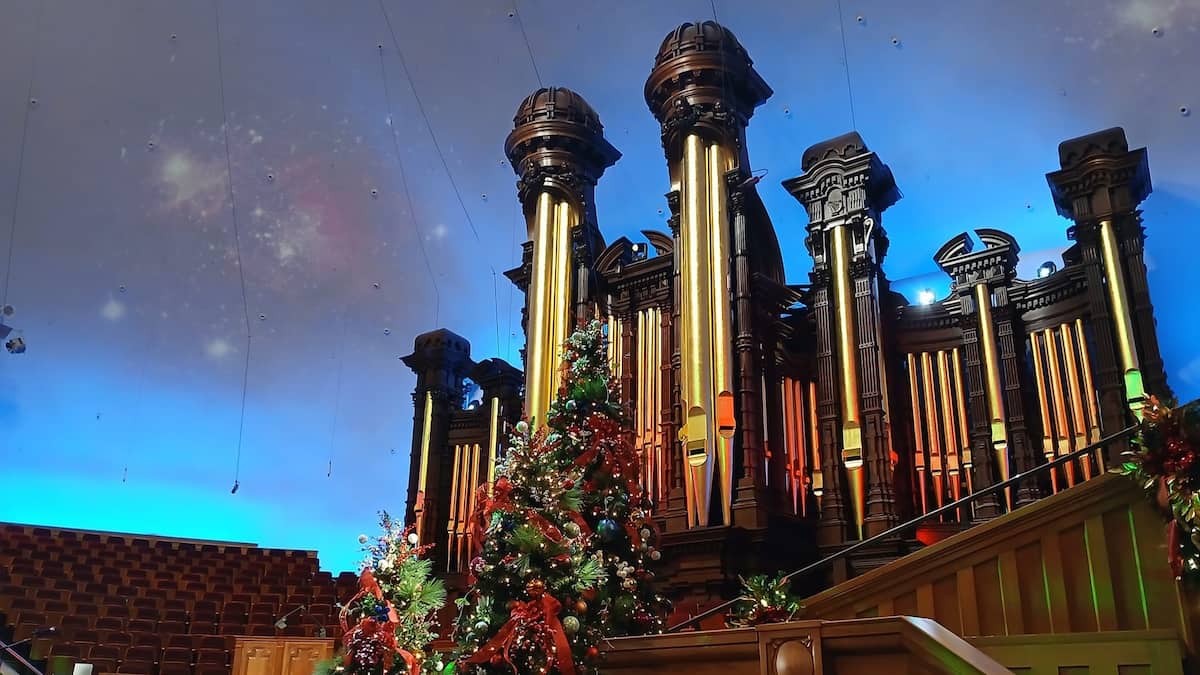
Continuing my series of answering questions about handbells and Latter-day Saints, by far, the most common question and reaction I have heard about handbells is whether they are only used at Christmastime; i.e., are they a strictly seasonal instrument?
-
A Review: The Diaries of Carol Lynn Pearson: Mormon Author, Feminist, and Activist, Volume 1: 1956–1990
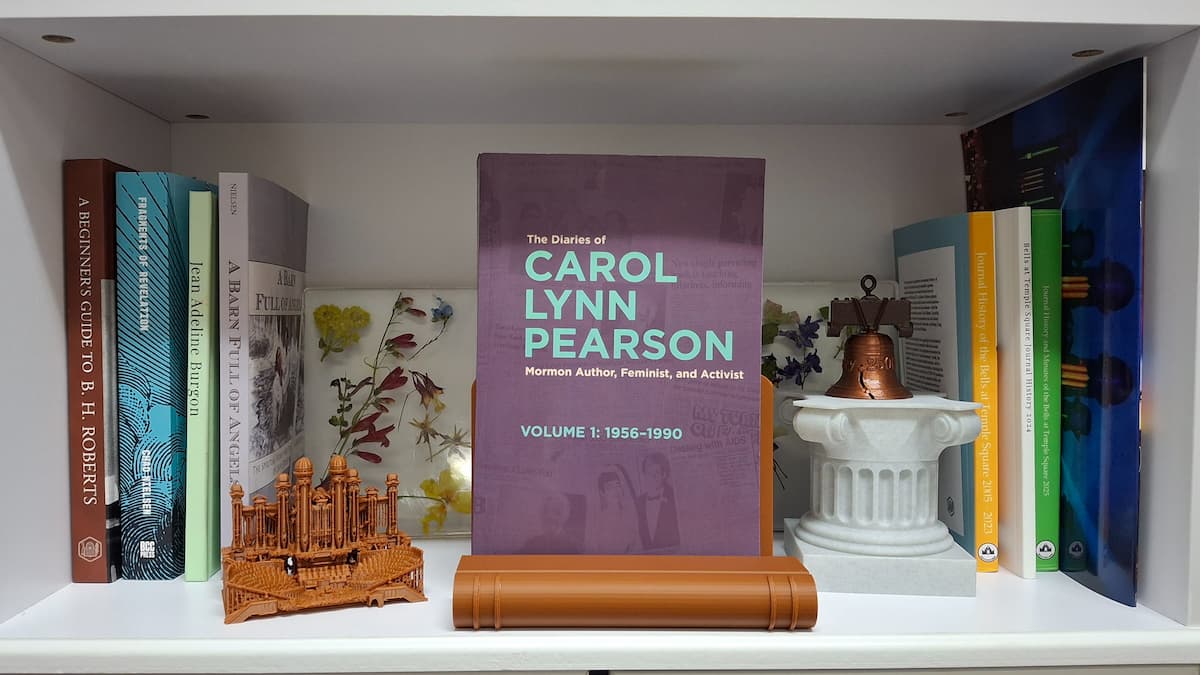
Carol Lynn Pearson. The Diaries of Carol Lynn Pearson: Mormon Author, Feminist, and Activist, Volume 1: 1956–1990. Salt Lake City: Signature Books, 2025. 419 pp. Paperback: $29.95. ISBN: 978-1-56085-524-8. Reviewed by Chad L. Nielsen As a Latter-day Saint coming of age in the latter half of the twentieth century, the creative output of Carol Lynn…
-
The Penny Fund and the British Lifeline: Financing the Temple in the 1840s
Today, the construction of Latter-day Saint temples is a highly streamlined operation funded by a centralized, global tithing system. But in the 1840s, raising a monumental stone edifice on the edge of the American frontier required an entirely different, grassroots financial engine. A fascinating new interview with Elizabeth Kuehn over at the Latter-day Saint history…
-
Do Any Latter-day Saint Wards Own Handbells?
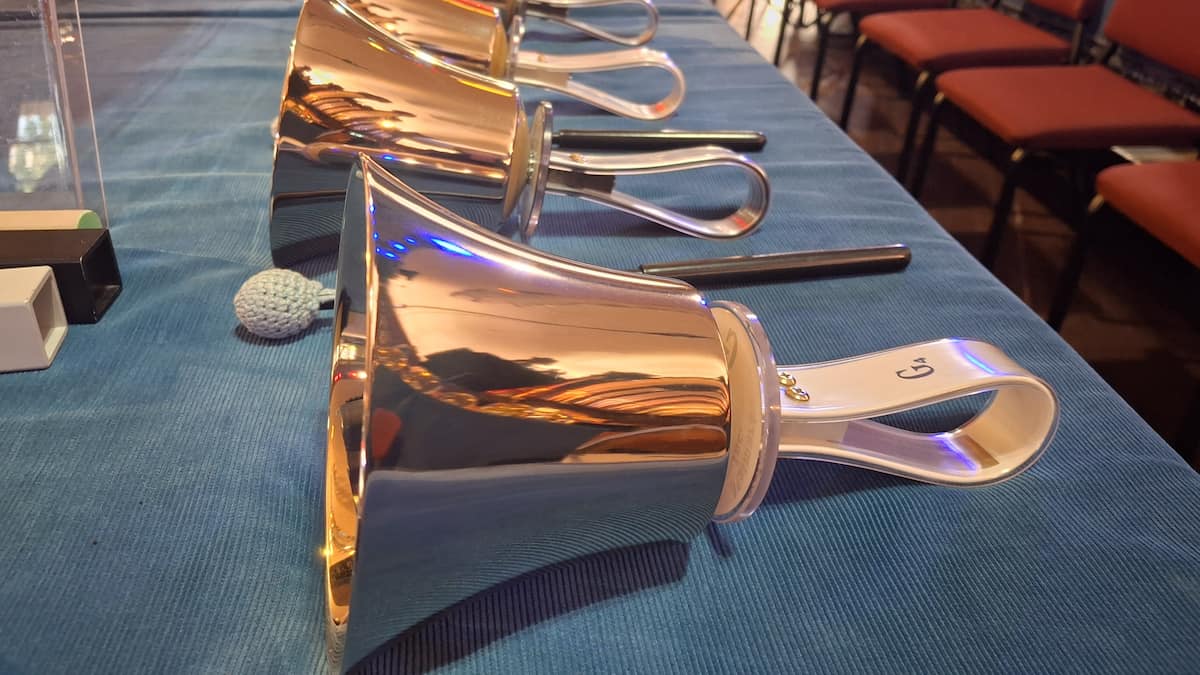
I posted a few weeks ago about English handbells in Latter-day Saint sacrament meetings. I have had a few conversations and questions about handbells, both before and since then, that are worth addressing over the course of a few posts. This first one is connected to both the previous post and a Reddit question I…
-
The Spiritual and Social Goals of the Deseret Alphabet
The Deseret Alphabet is often dismissed today as a quirky historical footnote, a strange linguistic experiment championed by Brigham Young that ultimately failed to take root in the Utah desert. However, a closer look at this 19th-century phonetic writing system reveals a complex project driven by practical literacy, social control, and profound spiritual ambition. A…
-
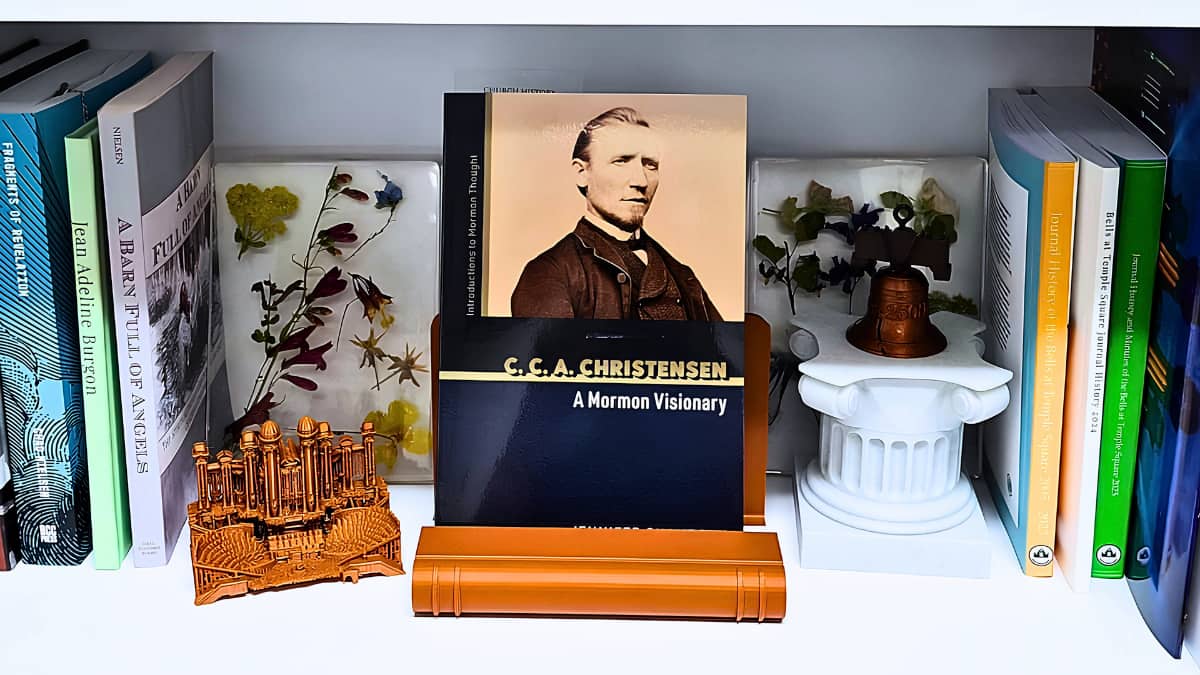
A Review: C. C. A. Christensen: A Mormon Visionary
Jennifer Champoux. C. C. A. Christensen: A Mormon Visionary. Urbana: University of Illinois Press, 2026. 152 pp. Paperback: $17.95. ISBN: 978-0-252-08921-3. Reviewed by Chad L. Nielsen As a teenager growing up in the Latter-day Saint tradition, I developed an enduring passion for highlighting the cultural and artistic achievements of my heritage. In searching for a…
-
A Schism of Loyalty: Aidan and Tristan Caplan on the Third Convention
When we study historical schisms in Christian churches, including Latter-day Saints, we usually encounter stories of bitter theological disputes, splinter groups following charismatic figures, or outright rejections of foundational doctrines. But what happens when nearly a third of a country’s members break away from Church headquarters—not because they reject the Restored Gospel, but because they…
-
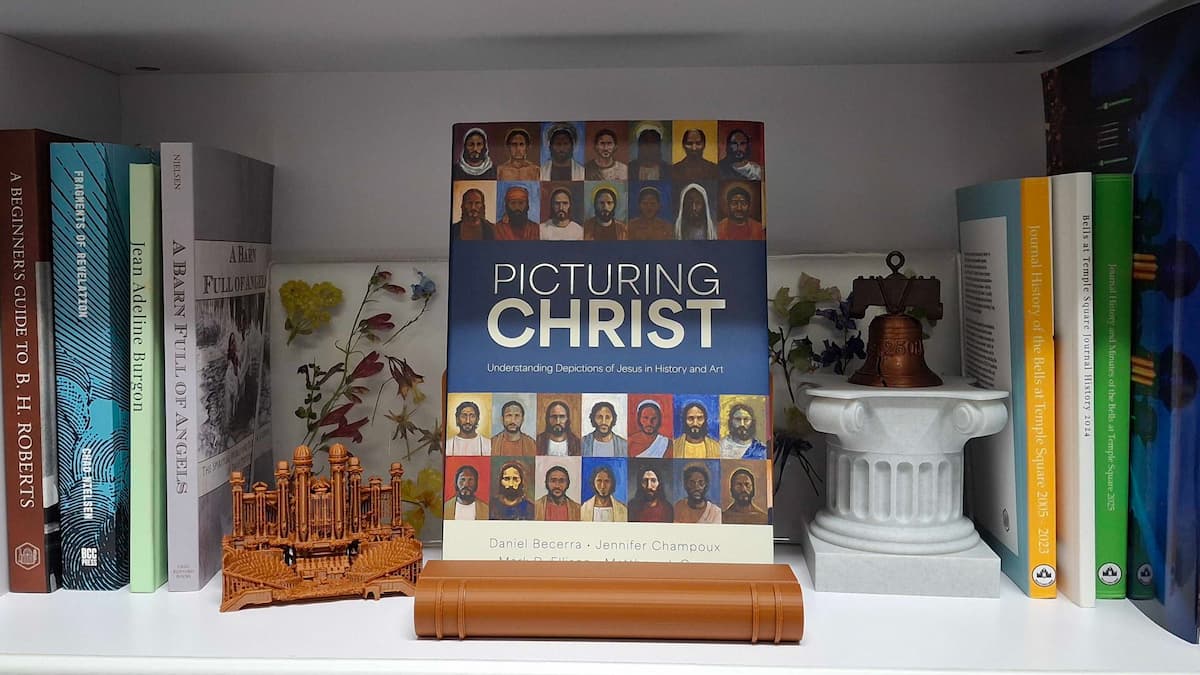
A Review: Picturing Christ: Understanding Depictions of Jesus in History and Art
Daniel Becerra, Jennifer Champoux, Mark D. Ellison, and Matthew J. Grey. Picturing Christ: Understanding Depictions of Jesus in History and Art. Salt Lake City: Deseret Book, 2026. 160 pp. Hardcover: $23.99. ISBN: 978-1-63993-509-3. Reviewed by Chad L. Nielsen In the visual culture of modern Christianity, few images exert as profound an influence on the devotional…
-
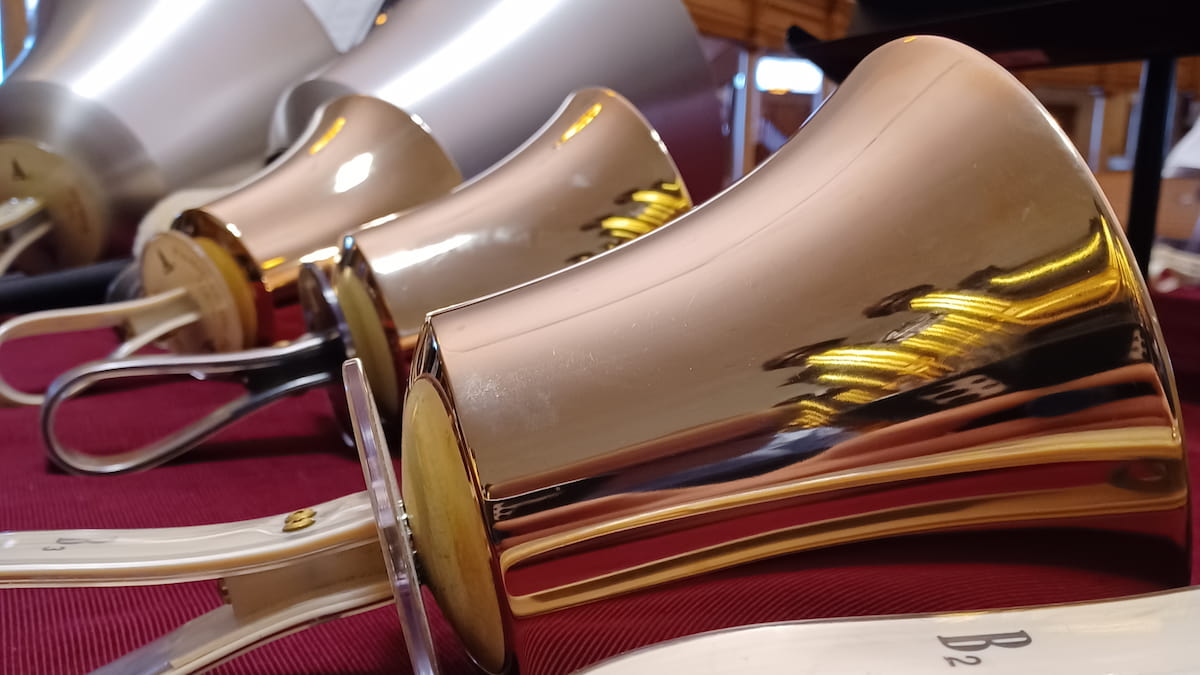
Handbell Music and the Latter-day Saint Hymnbook
The arranging of Latter-day Saint hymns for English handbell ensembles is a highly niche, yet fascinating, subject that I’ve been learning about while working on a book-length history of the Bells at Temple Square. While modern English handbell ringing has flourished in Protestant worship since the 1950s, it remains relatively rare within the Church of…
-
Tangled Assets and Legal Erasure: Emma Smith’s Fight for Financial Survival
When examining the tragic estrangement of Emma Smith from the main body of the Latter-day Saints following the martyrdom of her husband, historians and casual readers alike tend to reduce the schism to a dramatic, interpersonal feud with Brigham Young over polygamy and the westward migration. However, the reality of Emma’s post-1844 life was far…
-
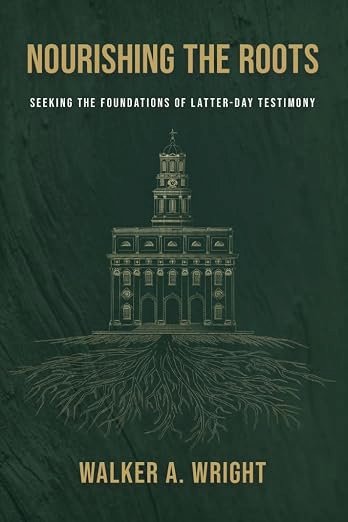
A Review: Nourishing the Roots: Seeking the Foundations of Latter-day Testimony
Walker A. Wright. Nourishing the Roots: Seeking the Foundations of Latter-day Testimony. Foreword by Steven C. Harper. Redding, CA: FAIR, 2026. 216 pp. Paperback: $15.95. ISBN: 978-1-971818-05-4. Reviewed by Chad L. Nielsen In the contemporary landscape of Latter-day Saint intellectual life, the defense of the Restoration has occasionally suffered from a hyper-localized focus. Apologists and…
-
The “Irascible Old Pepper Box”: Kerry William Bate on Pioneer John Steele
When examining the early settlement of the American West, the history of the Latter-day Saints is often populated with complex figures whose religious zeal blurred the lines between civic duty and frontier vigilantism. Few embody this tension as fully as the Latter-day Saint pioneer John Steele, an Irish-born convert, Mormon Battalion veteran, and pioneer physician…
-

Mormon Studies Books in 2026
Building on the collection of links about Latter-day Saint books for last year (Mormon Studies Books in 2025), here is the collection of books I’ve been able to find out about for 2026. I will continue to update this page throughout the year, as reviews, interviews, and podcasts become available for the books and other…
-
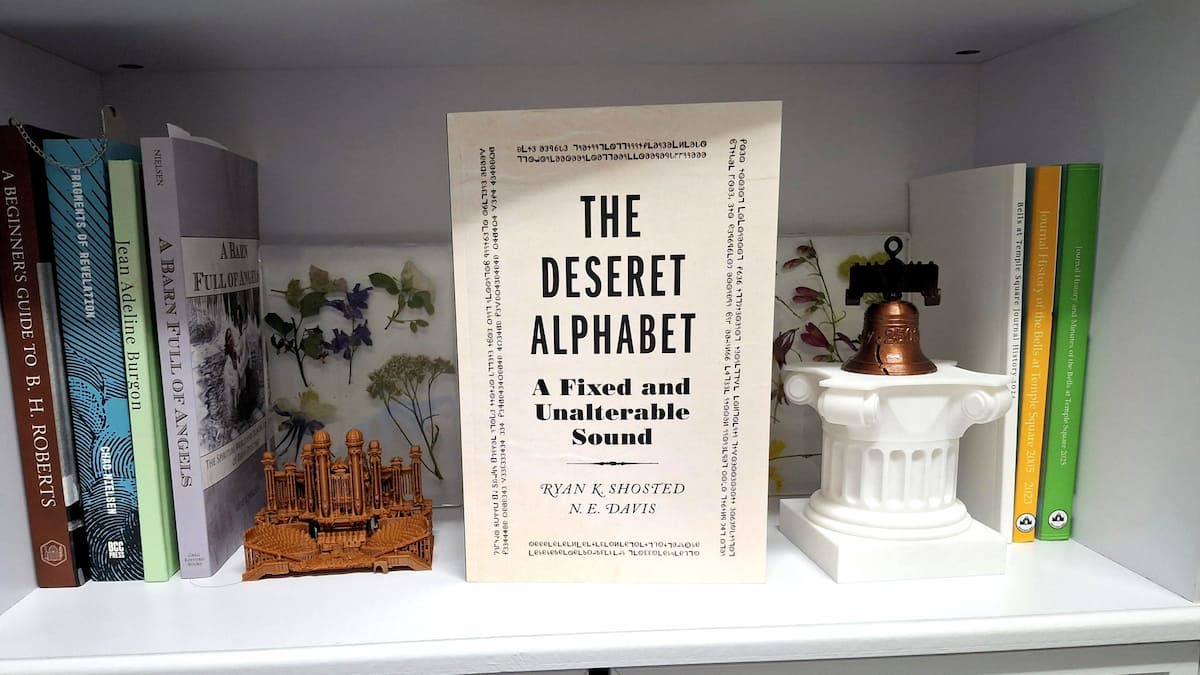
A Review: The Deseret Alphabet: A Fixed and Unalterable Sound
Ryan K. Shosted and N. E. Davis. The Deseret Alphabet: A Fixed and Unalterable Sound. Urbana: University of Illinois Press, 2026. 315 pp. Paperback: $25.00. ISBN: 978-0-252-08942-8. Reviewed by Chad L. Nielsen My own interest in the Deseret Alphabet is admittedly sentimental. While serving a mission in Iowa, I regularly corresponded with the young woman…
-
Heroizing the Common Pioneer: Jennifer Champoux on the Art of C. C. A. Christensen
When we picture the visual history of the early Church, we often envision the sprawling, theatrical scenes of the Mormon Panorama. But who was the man wielding the brush? Carl Christian Anton (C. C. A.) Christensen was more than a mere folk artist; he was a Danish immigrant who abandoned a promising European academic career…
-
A Review: After Happiness: Living with Faith in a Time of Crisis
Natalie Brown. After Happiness: Living with Faith in a Time of Crisis. Salt Lake City: Greg Kofford Books, 2026. 160 pp. Paperback: $18.95. ISBN: 978-1-58958-846-2. Reviewed by Chad L. Nielsen The cultural and theological landscape of modern Latter-day Saint thought has long been dominated by a mid-century, post-war triumphalism—a structural optimism that seamlessly fused the…
-
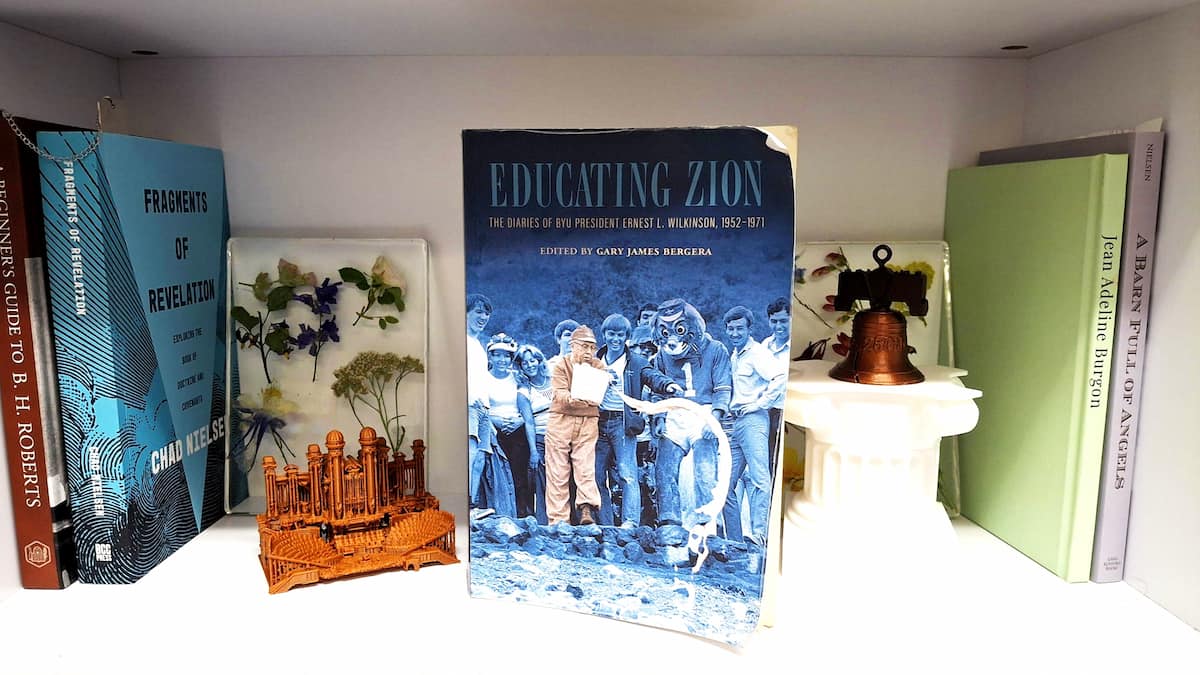
A Review: Educating Zion: The Diaries of BYU President Ernest L. Wilkinson, 1952–1971
Gary James Bergera’s Educating Zion: The Diaries of BYU President Ernest L. Wilkinson, 1952–1971 won the Best Documentary Editing award at the Mormon History Association meeting this year, and the accolade is richly merited. Ernest L. Wilkinson served as the president of Brigham Young University for over two decades, presiding during a period of massive…
-
“Being Man and Woman Both”: The Unfiltered Voice of a Pioneer Missionary Wife
We often visualize the 19th-century Latter-day Saint missionary as a solitary hero braving the world to preach the gospel, but we rarely consider the staggering domestic cost exacted from the wives they left behind. While early Church leaders framed this separation as a holy sacrifice, the lived reality for pioneer women was one of crushing…
-

A Museum Review: The Museum of Utah
The Museum of Utah. Utah State Capitol Complex, Salt Lake City, UT. Opened June 27, 2026. Permanent and rotating exhibitions. Free admission. Reviewed by Chad L. Nielsen For over a century, the material culture of Utah’s complex and often fractured past has lacked a singular, state-level home capable of matching the scale of its history.…
-
The Protestant Monopoly: How the Early Saints Tested the Limits of the First Amendment
We often celebrate the First Amendment as the ultimate shield for religious minorities, assuming that the Founding Fathers’ “godless” Constitution created a neutral public square where all faiths could freely flourish. However, the lived experience of the early Latter-day Saints tells a drastically different story, revealing that the disestablishment of religion actually cleared the way…
-
The Heavenly Lawsuit: Dan McClellan on the Original Meaning of Psalm 82
Because we believe in human exaltation, Latter-day Saints are usually familiar with Psalm 82:6, where the psalmist declares, “I have said, Ye are gods.” We frequently cite this verse, along with Christ’s quotation of it in John 10, as biblical evidence of our divine potential. However, when we read this text through the lens of…
-

Mormon Writing and History Awards: 2026
Several Latter-day Saint and Mormonism-related awards have been given out in recent weeks, and I thought it would be useful to gather them all in one place. I’ll work on updating this as information becomes available about other awards.
-
More Than Mercy: Robert Alter on the Covenantal Weight of Hesed
The King James Version of the Bible has profoundly shaped the Latter-day Saint vocabulary, but its 17th-century translation choices sometimes obscure the rich nuances of ancient Hebrew. One of the most misunderstood words in our scriptural lexicon is ?esed, famously rendered in the KJV as “mercy” or “lovingkindness.” But does this translation capture the true…
-

From the Archives: Letters to a Mormon Pioneer
Whenever you produce a book, you will inevitably reach a point where you have to edit out something dear to you, but which isn’t going to be as important to someone else or the book as a whole. Sometimes referred to as “kill your darlings,” it’s a difficult process. I faced it while writing A…
-
Musical Archaeology: Recovering the Sophisticated Sound of Pioneer Utah
When we think of the musical landscape of 19th-century Utah, our minds tend to default to rustic campfire songs or simple four-part choral hymns sung by weary travelers. However, recent archival discoveries reveal a surprisingly sophisticated frontier culture, boasting a vibrant scene of theatrical orchestras, virtuosic brass bands, and complex original compositions. A fascinating new…
-
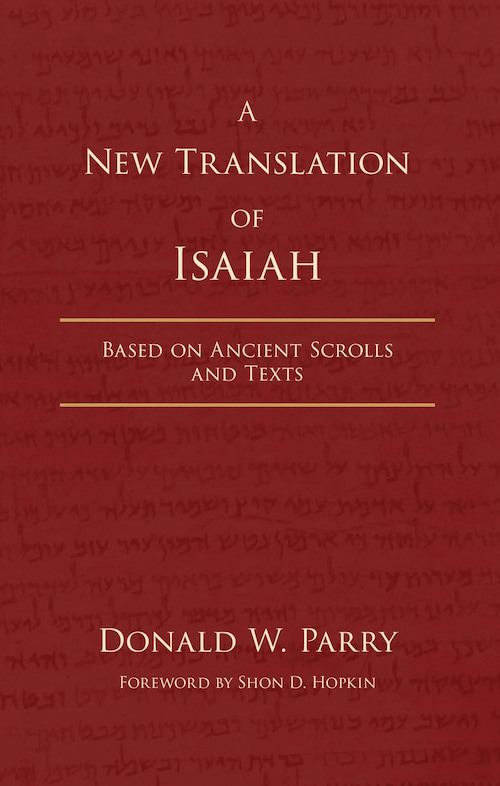
A Review: A New Translation of Isaiah: Based on Ancient Scrolls and Texts
The writings of the prophet Isaiah have historically served as a central yet difficult pillar within the Latter-day Saint tradition, often obscured by the linguistic limitations of seventeenth-century English of the King James Version. In his latest volume, A New Translation of Isaiah: Based on Ancient Scrolls and Texts, Donald W. Parry, a professor of…
-
The Resilient Faith of the Washakie Ward
The history of Latter-day Saint interactions with Native Americans is a complex tapestry of theological affinity, colonization, cooperation, and conflict, often oversimplified in traditional pioneer narratives. How did Indigenous converts navigate this fraught reality to forge their own unique spiritual and cultural identity within the Church? A new interview over at the Latter-day Saint history…
-

A Review: Blood Vessels: Vigilante Violence in the American West
In Blood Vessels: Vigilante Violence in the American West (University of Oklahoma Press, 2026), Patrick T. Hoehne provides a compelling and sophisticated analysis of extralegal justice that challenges the traditional view of Western violence as a series of isolated, frontier outbursts. Instead, Hoehne maps a trans-regional network of “blood vessels”—interconnected events and actors that carried…
-
Thoughts on Future Projects
With my Zerah Pulsipher biography being published last week, and my next book manuscript off for some review and feedback, I’m turning my thoughts towards what to work on next. I have no shortage of ideas, but I also want to make sure I’m tapping into things that people are interested in. So, I would…