Category: Liberal Arts
-
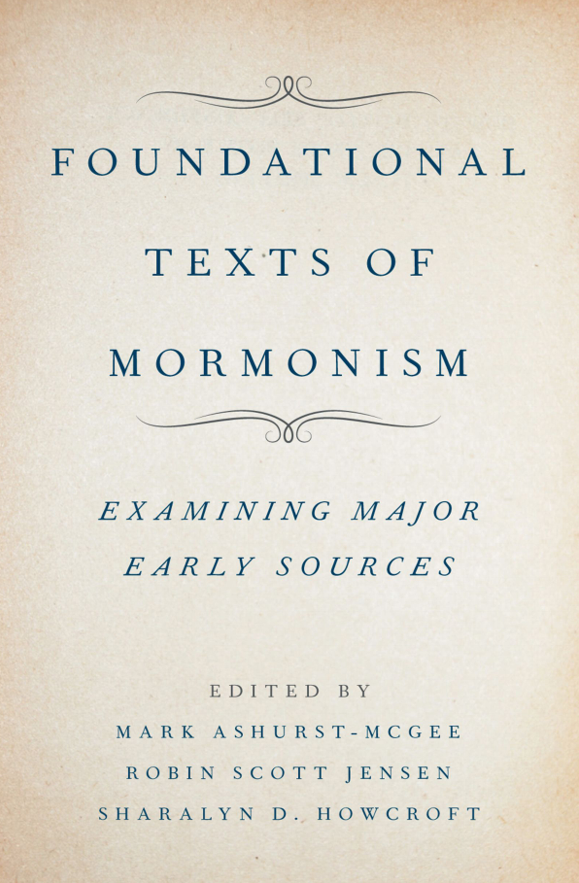
Review: Foundational Texts of Mormonism
Here’s the shortest review possible. If you’re even moderately interested in Church history or theology or even just in close reading of scripture you should get Foundational Texts of Mormonism. If it’s not already in your library, ask for it for Christmas.
-
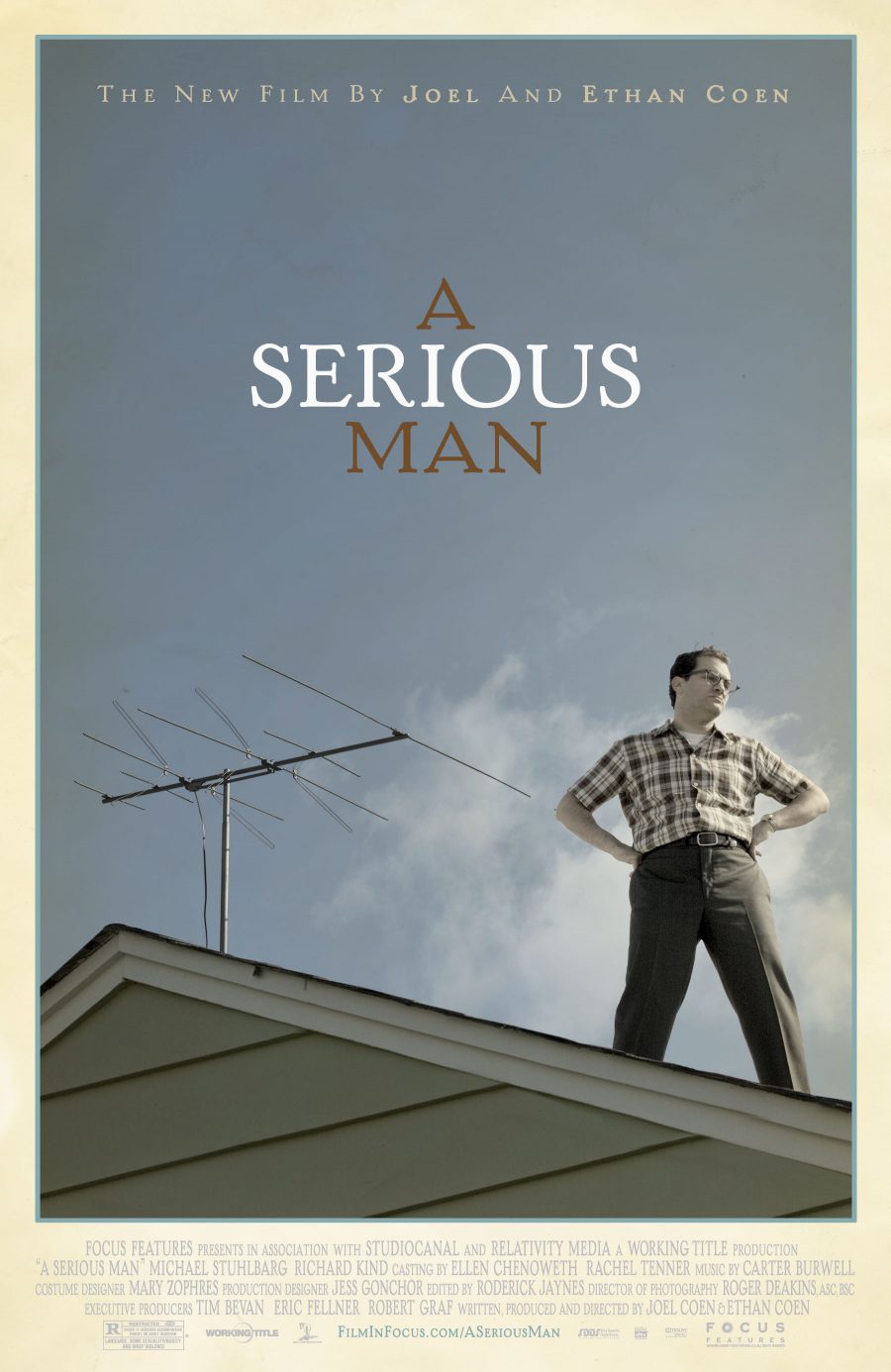
Trials, Tribulations, and a Movie: An LDS-themed Discussion of the Coen Brothers’ A SERIOUS MAN
A well-known axiom in both life and storytelling states that the matters we find most personal are also the most universal. Whether it’s film, literature, or some other medium, stories with the most specific and distinctive settings and points of view are usually those an audience will find most relatable. In the words of Robert…
-
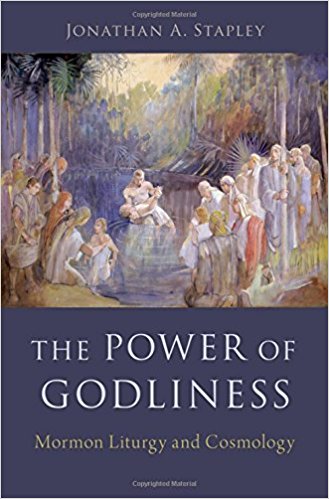
Review Essay: “The Power of Godliness: Mormon Liturgy and Cosmology”: Materiality and Performance
Like a paring knife to a grapefruit, Jonathan Stapley’s new book on the history of Mormon cosmology is slim, sharp, and swift to carve through pith, serving up elegant wedges of history. The Power of Godliness: Mormon Liturgy and Cosmology (Oxford, 2018) traces the evolution of ritual practice in Mormonism, including priesthood ordination, sealing rites,…
-
Defiantly Turning the Other Cheek
On Twitter last week in the aftermath of the whole Porter situation someone mentioned the issue of turning the other cheek. Now first off I don’t think in any legitimate interpretation of turning the cheek it means submitting to abuse particularly spousal abuse. I know there is sadly a strong thread in the Jewish, Christian,…
-

Future Mormon Reading Chapter 1
This is the inaugural reading club for Adam Miller’s Future Mormon. For general links related to the book along with links to each reading chapter please go to our overview page. We’ll try roughly each week to deal with a new chapter. The first part will be a brief summary of the arguments and assumptions.…
-
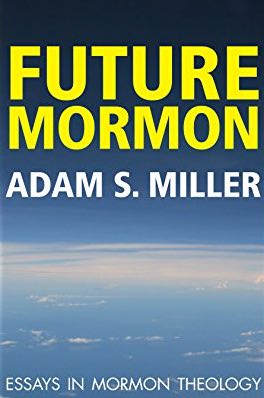
Future Mormon Reading Club
The person who probably comes closest to my own views on many matters is Adam Miller. Back in the heyday of LDS-Herm we had tons of fantastic discussions on theology and philosophy. Ever since Adam’s last book came out I’ve wanted to do a reading club on it but just hadn’t had the time. One…
-
Mormon Knowing
When I first got invited to blog I had several topics I was really excited about. Then life came at me fast and most of those projects fell between the cracks. What I want to do is return to them but cut to the chase a little more swiftly. I’ve talked about knowledge quite a…
-
“Neither Shall There Be Any More Pain”: Trials and Their Purpose
This is a talk I gave in sacrament meeting on March 12, 2017. The topic was “Trials and Their Purpose.” I appreciate the thoughts and words of [the previous speakers]. I hope that you all can find some solace in our various messages, even if the answers are a bit incomplete. The purpose of trials—or…
-
Can Mercy Rob Justice?
We’re all familiar with Alma 42 and the notion that mercy can’t rob justice. I was reading this today at church and was struck by a context that often doesn’t get mentioned. In the ancient world relationships often determined actions. This meant special treatment for friends and especially relations. In Greek philosophy and plays you…
-
Can Private Experience Ground Knowledge?
I’ve neglected my posts on epistemology the past couple of months due to being busy. While I want to get back to them let me first take a bit of a side trip. Fundamentally more than anything else the big divide within the question of religious knowing is to what degree private experiences can ground…
-
Promoting vs. Honoring
If I might be allowed an overly broad generalization, it often seems like political action is locked between two main views. In the past I’ve often called it the Kantian versus the Utilitarian.[1] That’s not entirely fair. Perhaps a better way of putting it is that we have a tension between promoting values versus honoring…
-
The Evolution of Adam
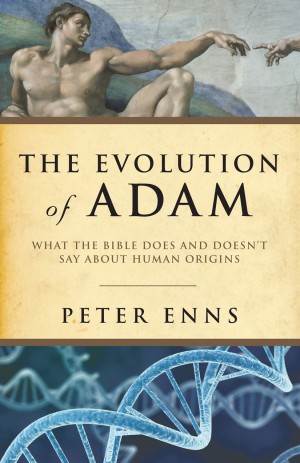
That’s a book by Christian scholar Peter Enns: The Evolution of Adam: What the Bible Does and Doesn’t Say About Human Origins (BrazosPress, 2012). The arguments in the book are directed at Evangelicals, but Mormons can quite profitably read along as well. Given that the LDS Church has “no official position on the theory of…
-
The Misguided Quest for a Common Moral Framework
The Mormon Newsroom just posted a new think-y piece titled “The Quest for a Common Moral Framework.” A few years back the Newsroom posted a number of these reflective essays, such as “Approaching Mormon Doctrine“, but not so much recently. So this one is worth taking a look at. It seems like a spinoff from…
-
The Conflict of Theological Innovation
Theology has an odd place in LDS thought. Early on there was a rather positive view of theology. Lectures on Faith, then part of the Doctrine and Covenants, praised the idea of theology calling it: …that revealed science which treats of the being and attributes of God, his relations to us, the dispensations of his providence, his…
-
Jeremiah, Truth and Intelligence
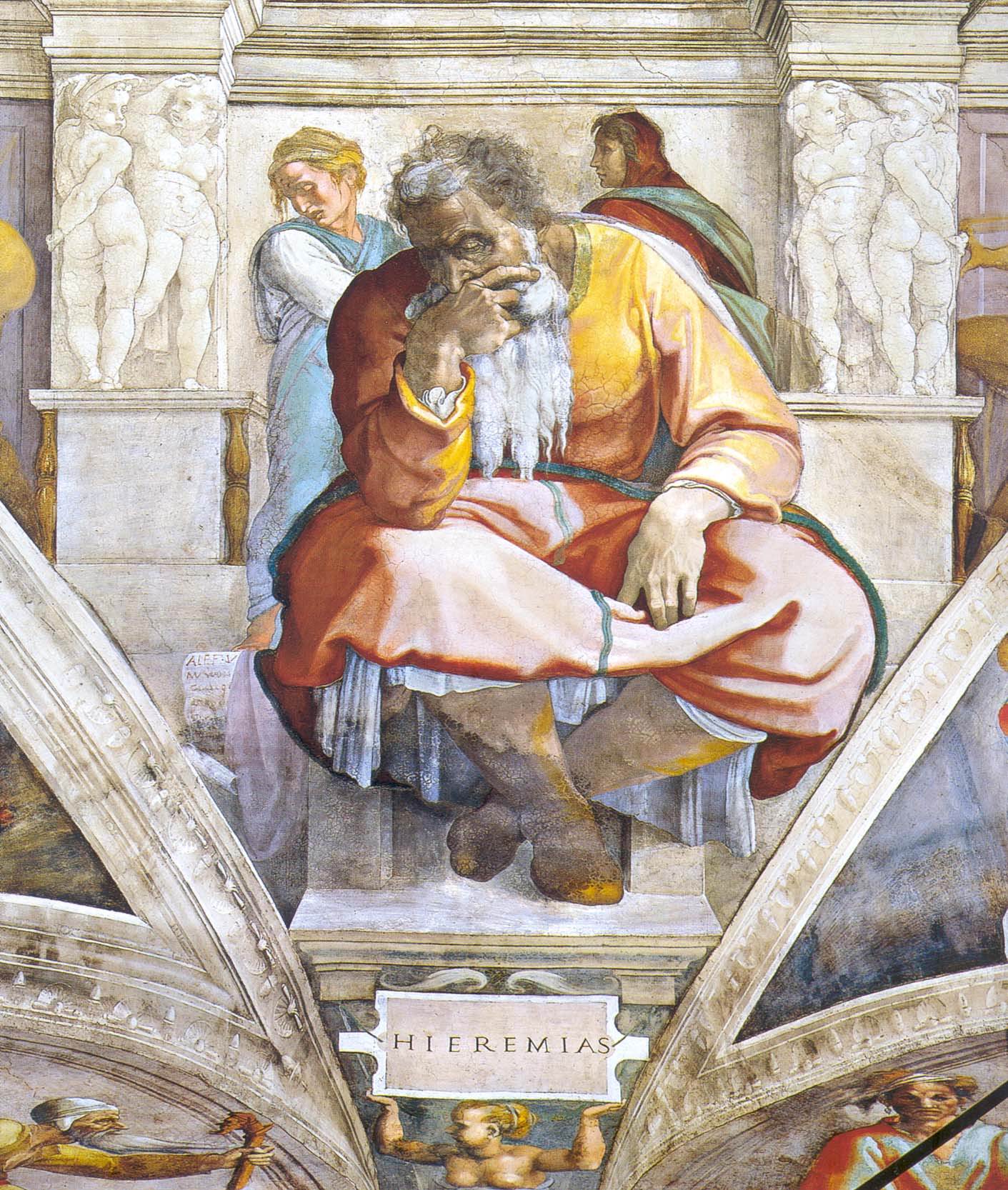
A couple of months ago I had a post talking about how Hebrews talk about things being true. While my focus was on common Mormon expressions like “I know the Church is true” the basic principle applies to many scriptures. That includes famous Book of Mormon ones like Alma 32. The basis for most of…
-
Issues in Epistemology: A Response to Inside/Out
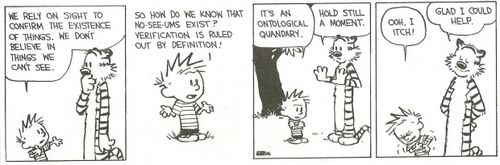
I didn’t really touch on it in depth in my theology post last week but my view of theology entails being able to give reasons for why one asserts what one asserts. The emphasis then was in how we read. Underneath it all really was Eco’s view of the ideal reader who pays close attention…
-
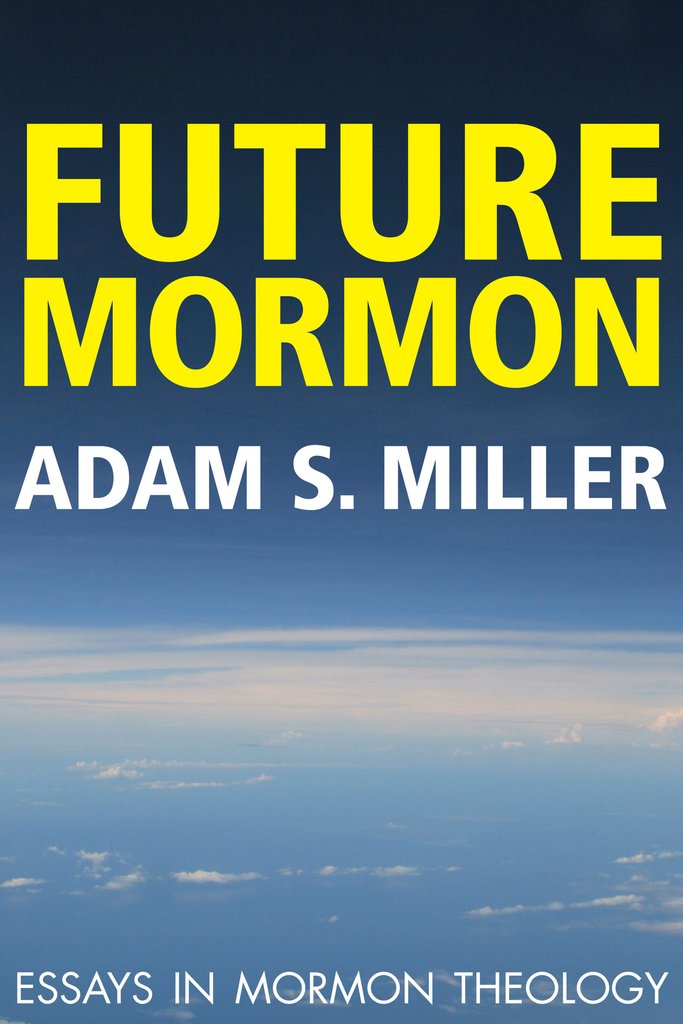
Future Mormons?
This is a review of and a response to Adam Miller’s recent book, Future Mormon: Essays in Mormon Theology (Greg Kofford Books, 2016). This book and others like it are part of the solution to one of the biggest problems facing 21st-century Mormonism: it’s shallow. It’s boring. It’s too programmed. There’s no meat in the…
-
The Nova Effect – Secular Age, round 7
This third section of Taylor’s book is, to me, the most redundant, so I’m going to make up for lost time by condensing these four chapters into one blog post. In fact, I’ll leave Ch. 11 off entirely because it’s mostly an exploration of the section’s themes through case studies in Britain and France. In…
-
Sacrament Prayers: A Close Reading
A while ago my dad had pointed out some features of the sacrament that somehow I’d missed in all the years I’d been partaking. A few of these were examples of something that’s right before you the whole time yet somehow you still miss. I thought I’d share them with you. We get our sacrament…
-
The Anthropocentric Shift: Secular Age, round 6
Links to posts 1, 2, 3, 4, 5 In the last several posts, we’ve covered how the enchanted, hierarchical world of pre-modern Europe slowly shifted in the sixteenth and seventeenth-centuries to a “disciplinary” society, where human beings began to perceive themselves as rational agents and masters of their own will and destiny, and increasingly related…
-
Some Thoughts on Trends in Apologetics
First let me say upfront that I simply don’t read that many apologetic papers anymore. That’s less about any problems with the genre so much as just a lack of time. I have to be a little pickier about what I read than I used to. One day when little kids aren’t waking up all…
-
Modern Sources of Belonging– Secular Age, round 5
The changes in construals of the self discussed in the last post were merely the flip side of new construals of sociality. This pairing helps correct narratives about the modern “rise of individualism” at the expense of community; individualism is learned, not natural, and “belonging” is an innate need that does not disappear with modernity.…
-
20th Century LDS Thought on Sexual Assault: Some Context
The Salt Lake Tribune recently published an article called “How outdated Mormon teachings may be aiding and abetting ‘rape culture.’” While I am also concerned about ways in which Mormon culture may encourage rape culture (see here and here and here), I want to push back against one portion of the article.
-
Hell Part 1: Close Readings of the Book of Mormon
I love doing close readings of scripture. The normal way to do this is reading linearly through the entire book of scripture. An other great way is to study by topic. Each helps you see things you might miss using only the other method. While I’m glad our gospel doctrine has encouraged reading all scripture, part…
-

Zion as Superorganism
Earlier this month, I visited Utah to give back-to-back presentations at conferences by Mormon Scholars in the Humanities and the Mormon Transhumanist Association. Today, I’m going to recap my presentation from the MTA conference, “Zion as Superorganism.” In subsequent blog posts, I’ll share some thoughts about Mormon transhumanism and the rest of the MTA conference (including some of…
-
New Construals of the Self: Secular Age round 4
(Links to Rounds 1 , 2, and 3) In the previous chapter, Taylor outlined some of the main “bulwarks” of enchanted belief that had to give way for exclusive humanism to eventually emerge. In Chapter 2, the “Rise of the Disciplinary Society,” Taylor examines some of the new construals of self and society that would help make that…
-
What if Belief isn’t Volitional?
Imagine you walk outside under a beautiful blue sky, the sun warm on your skin. Now someone comes up to you and tells you that you must believe the sky is orange and the air cold. Can you do it? If not, does that mean your beliefs are freely chosen? Can you choose to believe?
-
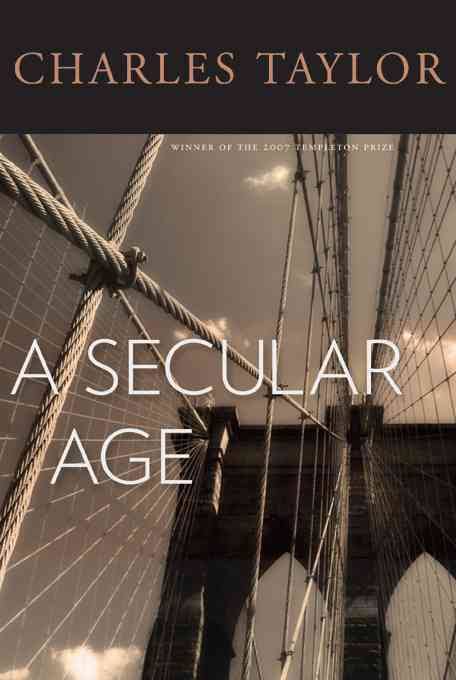
Enchantment and Disenchantment: Secular Age Round 3
(Links to Rounds 1 and 2) These next several posts will cover chapters in Parts I-III, which comprise Taylor’s account of the western historical trajectory towards secularity, from the enchanted world of 1500 AD to the disenchanted and pluralistic one of 2000 AD. Overall, Taylor’s historical account challenges the “subtraction” stories that explain the road to…