Category: Latter-day Saint Thought
-
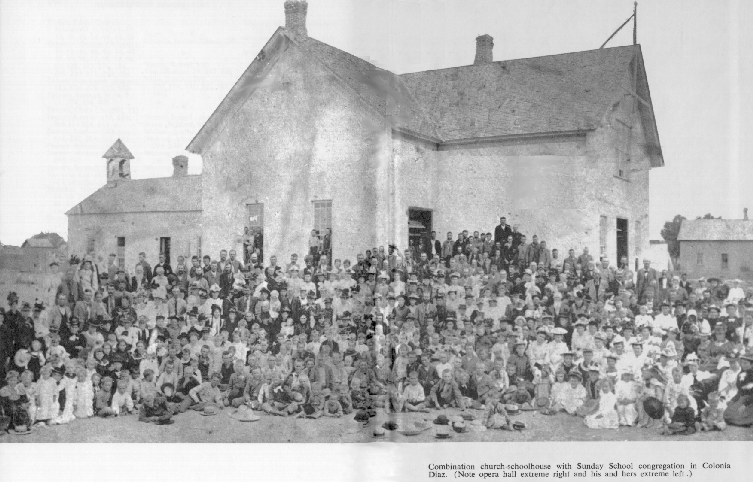
Mormonism in Mexico, Part 8: Colonization
One of the important aspects of the Church’s presence in Mexico was the establishment of colonies in the far north. Intended as refuges against anti-polygamy legislation and persecution, the colonies were a constellation of settlements that proved successful for many years and, in some cases, still continue to exist to this day.
-
Translation or Revelation?
I posted about Book of Abraham translation a couple weeks ago as part of a co-post on an interview with Stephen O. Smoot. This time, we’re looking at a different interview with Michael Hubbard MacKay, who had a different perspective about Joseph Smith’s translation projects. The interview on Book of Mormon translation is over at the…
-

Leaving the Church to Sin
A common accusation against people who leave the Church is that they’re just doing it because they want to sin, and in response the leavers often construct some highly noble narrative exclusively revolving around intellectual honesty and/or personal integrity around social issues. I kind of roll my eyes in the latter case. Not that I…
-

When Will We Be “Done” With Temple Work?
There must be this chain in the holy Priesthood; it must be welded together from the latest generation that lives on the earth back to Father Adam, to bring back all that can be saved and placed where they can receive salvation and a glory in some kingdom. This Priesthood has to do it; this…
-
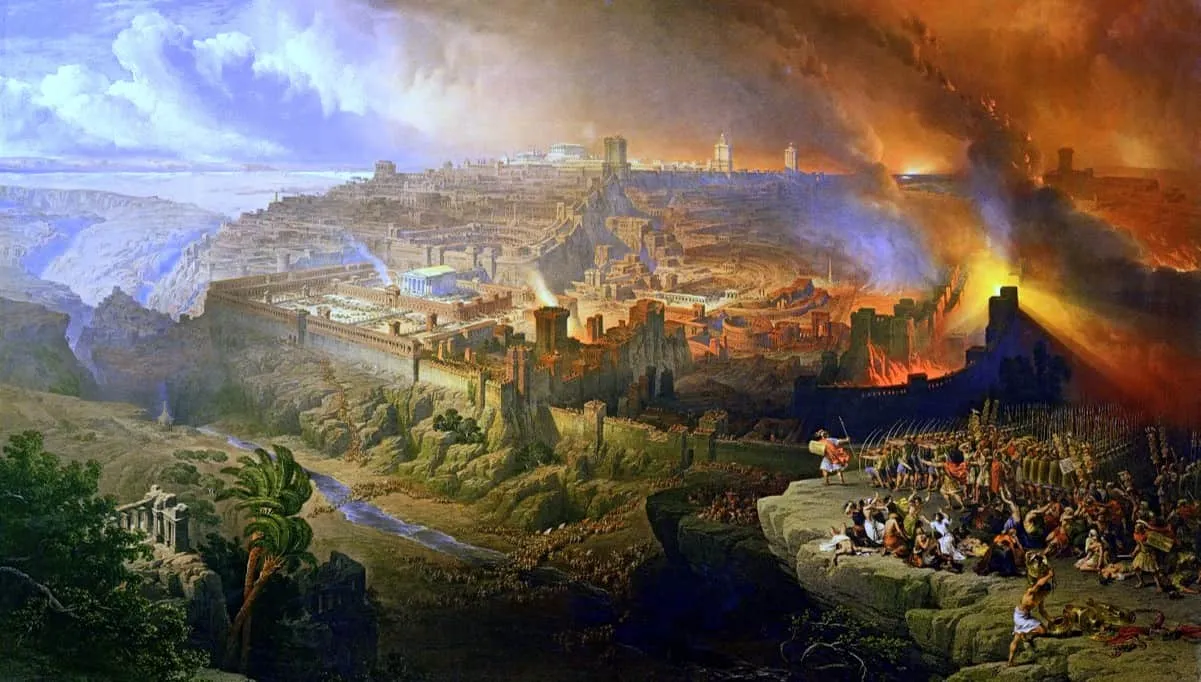
The Jewish Revolt and the Abomination of Desolation
One of the more pivotal events in the development of both Christianity and modern Judaism was the First Jewish Revolt, which started in 66 CE and culminated in the destruction of the Temple in Jerusalem in 70 CE. In a recent interview at the Latter-day Saint history blog From the Desk, Jared W. Ludlow discussed this…
-
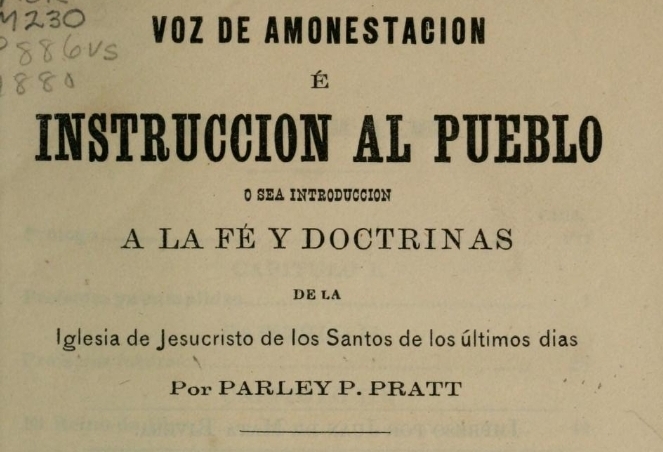
Mormonism in Mexico, Part 6: Voz de amonestación
The first two years of missionary work in central Mexico brought some long-standing successes, such as the conversion of Desideria Quintanar de Yáñez and her family, and some frustrating failures, as was the case with Plotino C. Rhodakanaty.
-
Book of Abraham Translation
When Joseph Smith used the word “translate”, it meant something different than what we usually think of as translating. The Book of Abraham is a very intriguing example of the process that, while it still has a lot of unknowns, does provide some insight into the process. In a recent interview at the Latter-day Saint…
-
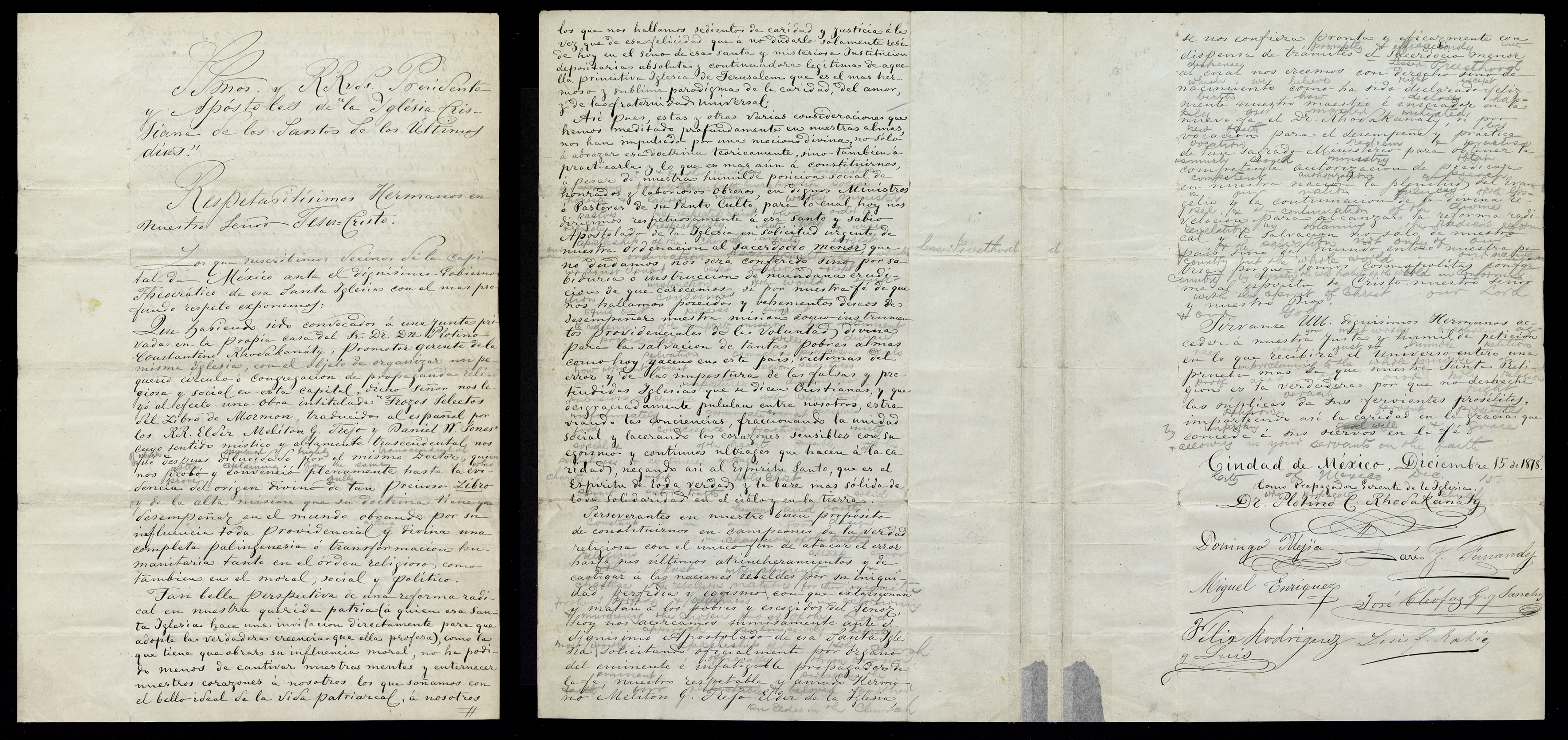
Mormonism in Mexico, Part 5: Thanks to Plotino
In the Church of Jesus Christ of Latter-day Saints post-WWII, the statement that a socialist and anarchist was largely responsible for initiating missionary work in the country that is home to the second-largest community of Latter-day Saints is unexpected. Yet, that is exactly what happened in Mexico thanks to Plotino Constantino Rhodakanaty and his associates.
-
From These Stones God is Able to Raise Up Pioneer Stock Members
There are two rhetorical practices used by ex-members and reform-minded cultural Mormons that I’ve noticed being used more recently. Latter-day Saint culture places a high premium on deference to authority. If you want to shut down a discussion with the orthodox who “pay the tithing and do the believing;” who are the primary fuel line…
-
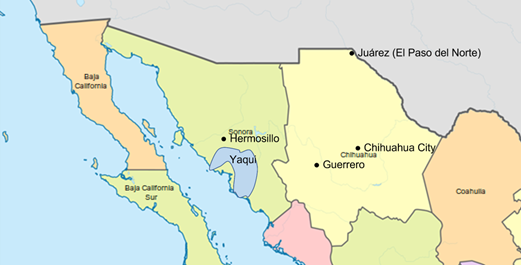
Mormonism in Mexico, Part 4: Look out for places where our brethren could go
It seems that in times of trouble, the early Latter-day Saints looked towards Mexico for refuge.
-

Temples, Communication, and Covenants
Temple rituals form an important part of Latter-day Saints’ covenant relationship with God. A recently-released book by Jennifer C. Lane entitled Let’s Talk About Temples and Ritual delves into the importance of temple rituals. Lane has shared some of the insights she gained that are captured in that book in an interview with the Latter-day…
-

Mormonism in Mexico, Part 3: A few things that needed to happen
Elder Parley P. Pratt’s mission to Chile highlighted a few things that needed to happen in order to successfully establish missions in Spanish-speaking countries.
-
“As far as we have any right to give.” A Note about Abraham Facsimile 2
The re-use of characters from JSP IX on Facsimile 2 doesn’t mean that the marginal characters in Abraham manuscripts A-C weren’t used in the translation. I think it actually makes it more likely that they were. Before I unpack what this means, you might want to read the published version of Tim Barker’s 2020 FAIR…
-

Wilford Woodruff and Adoption Sealings
Wilford Woodruff was hugely important in the development of temple work as we understand it today. In a recent interview at the Latter-day Saint blog From the Desk, Jennifer Mackley (the executive director and CEO of the Wilford Woodruff Papers Foundation) discussed some of the influence that Presisent Woodruff had on temple work. The interview…
-
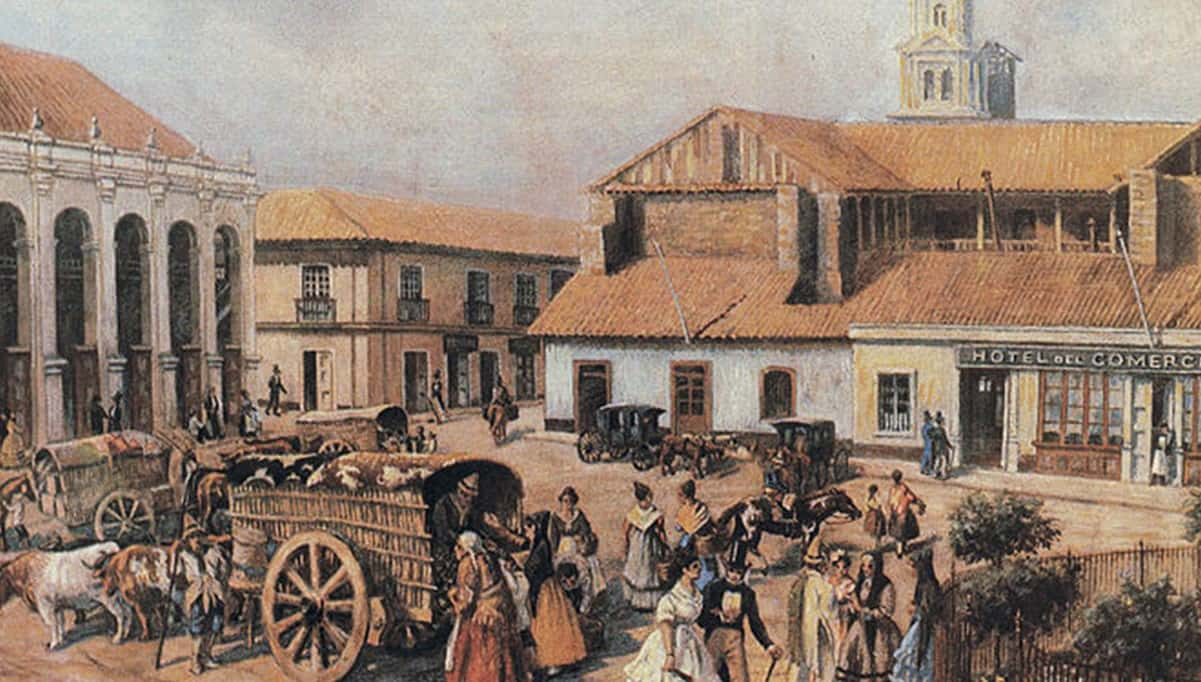
Mormonism in Mexico, Part 2: To the Islands or to Chile
The first attempt to proselyte to Spanish-speaking peoples was not directed at Mexico, but was aimed at Chile instead.
-
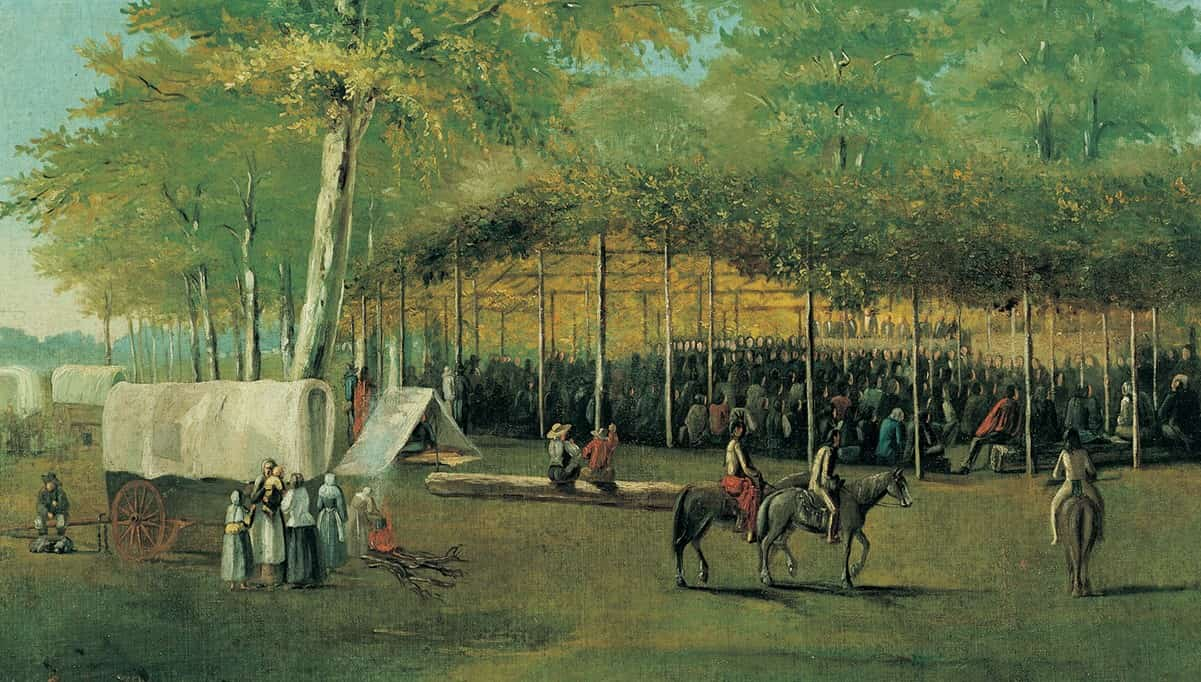
Mormonism in Mexico, Part 1: Westward to Mexico
It’s time to return to the Mexican Mission Hymns project, with a slight change. Instead of running hymn translations and the brief history discussions together, they will be separate posts moving forward. To do this properly, the previous history segments are going to be rerun as their own posts, starting with this one.
-
Camille Fronk Olson on Women in the New Testament
The Bible is “the bedrock of all Christianity” and women play some very key roles in the stories that it shares. Camille Fronk Olson has worked to highlight these female Bible characters as a member of The Church of Jesus Christ of Latter-day Saints. In a recent interview at the Latter-day Saint history blog From…
-
Mercy, kindness, and caring – a Sunday Sermon
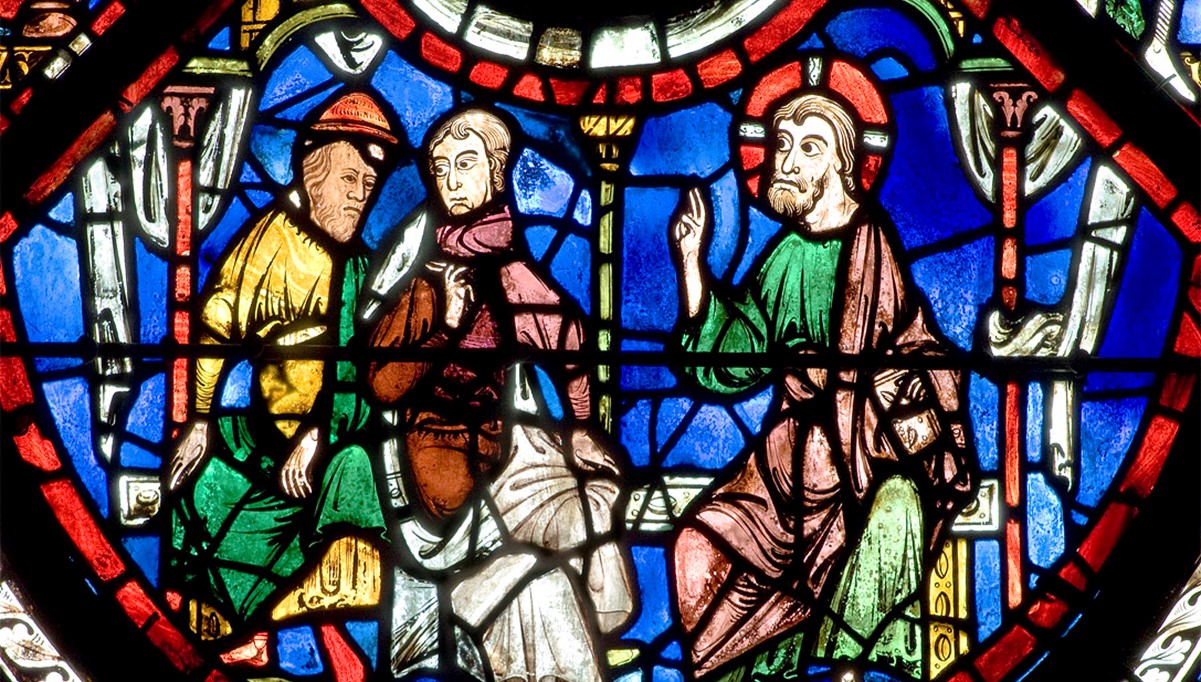
At one point in his ministry, “an expert in the law stood up to test Jesus.” He wanted to see what Jesus would answer, asking him: “Teacher … what must I do to inherit eternal life?” To this, Jesus responded with a question of his own: “What is written in the law? What do you…
-

An Ode to Large Families
Preface: Why It’s Okay to Talk About Family Size Family size is one of those hyper-sensitive issues that people gingerly tip toe around in the Church, and with good reason. First, it abuts with the kind of cultural touchstone gender role issues that the Church has kind of soft preferences around but has generally avoided…
-
Vengeance Is Mine
The story goes that J. Golden Kimball was once preaching to a crowd in the South and became concerned when he noticed that only men were present. As he opened his mouth to talk, however, All at once something came over me and I opened my mouth and said, . . . ‘Gentlemen, you have not come…
-
The Mountain Meadows Massacre Aftermath
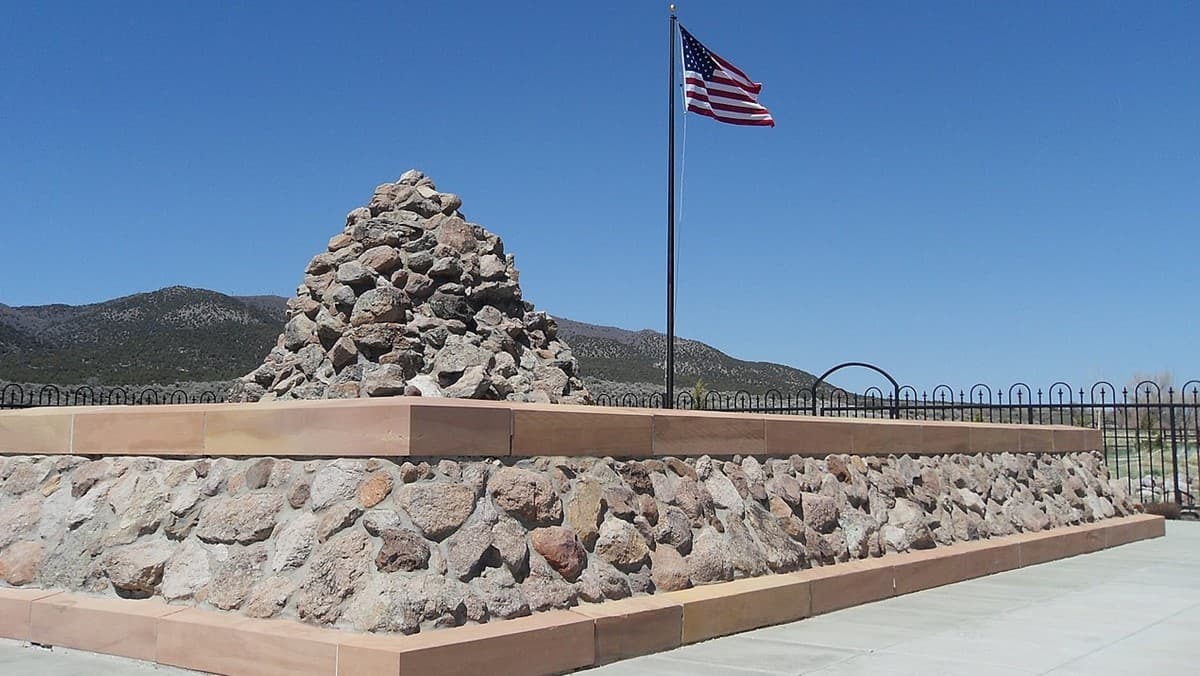
One of the most significant books in Mormon studies being published this year is Rick Turley and Barbara Jones Brown’s Vengeance Is Mine: The Mountain Meadows Massacre and Its Aftermath. It’s been years coming, but is worth the wait. I’ll probably publish my own review next week, but wanted to highlight that Turley and Brown…
-
Is the Church Too Popular?
Fools shall have thee in derision, and hell shall rage against thee; While the pure in heart, and the wise, and the noble, and the virtuous, shall seek counsel, and authority, and blessings constantly from under thy hand. Ye are…a peculiar people; that ye should shew forth the praises of him who hath called you…
-
Is the Church Overbuilding Temples?
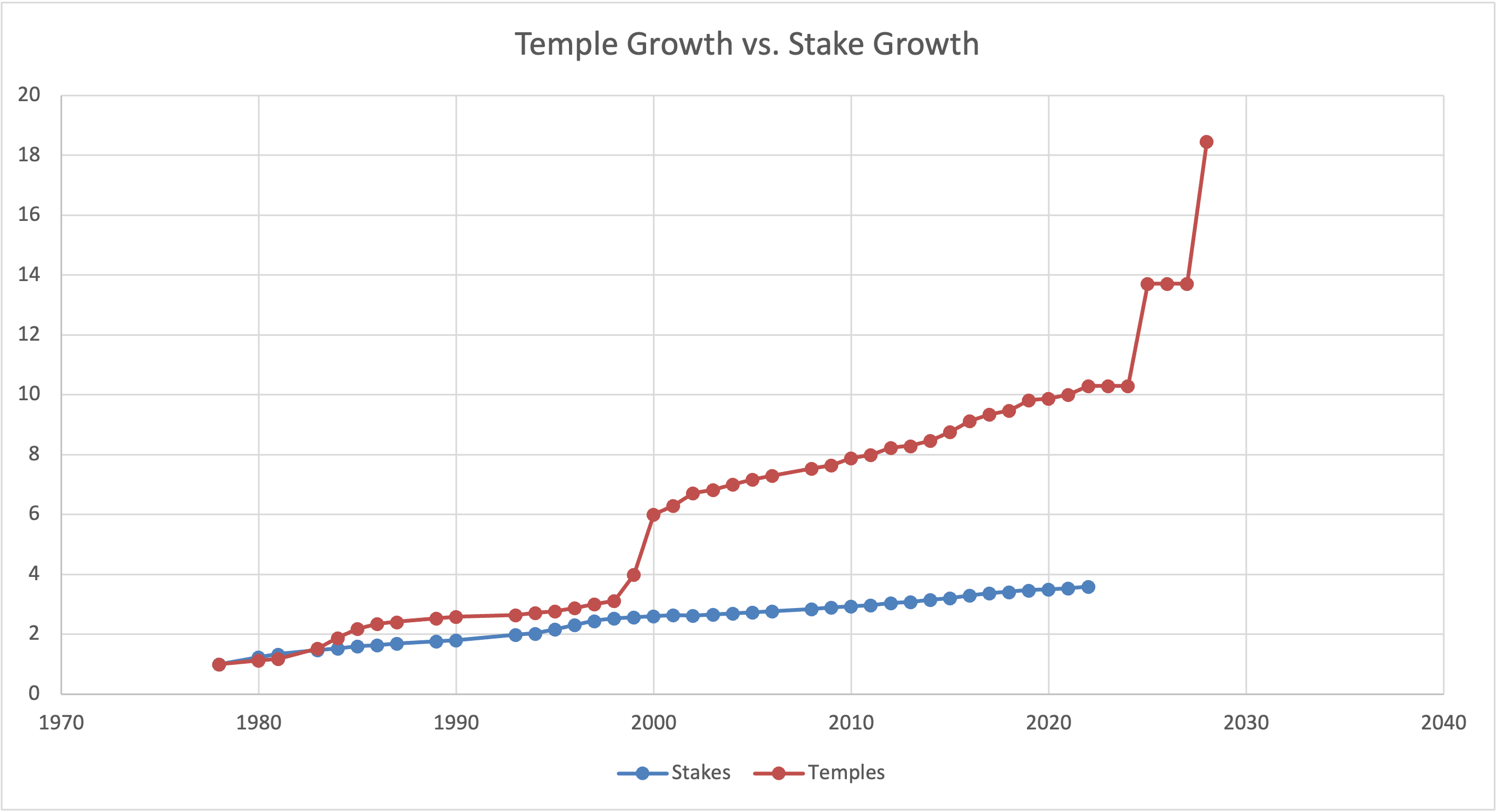
Growing up in the 90s, Church growth was conceptually tied to temple building, with announcements of additional temples assumed to be a proxy for the growth in temple attending members. While we aren’t privy to the more precise numbers that would be required to know the true state of Church growth like the number of…
-
Rebaptism in the Church
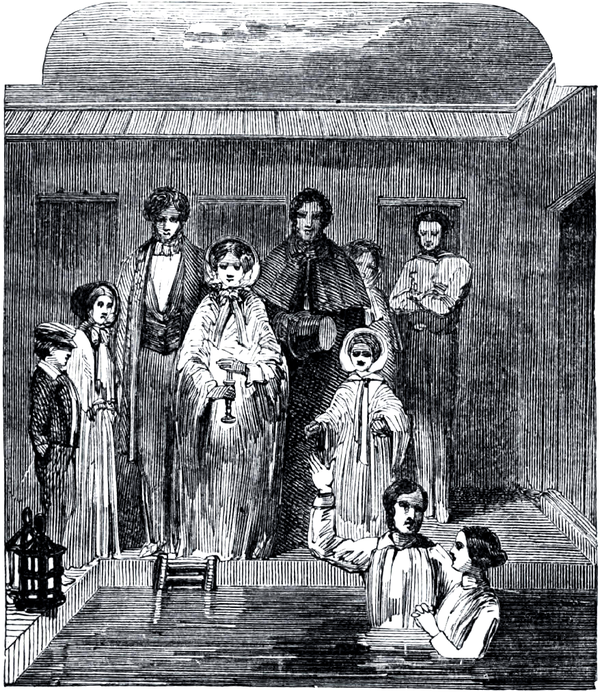
One of the interesting aspects of how members of The Church of Jesus Christ of Latter-day Saints approaches the sacrament of the Lord’s Supper is that it is seen as a renewal of covenants. What may not be as widely known is that the idea of renewing covenants may have originally emerged in the Church…
-
Voice of the Saints in Mongolia
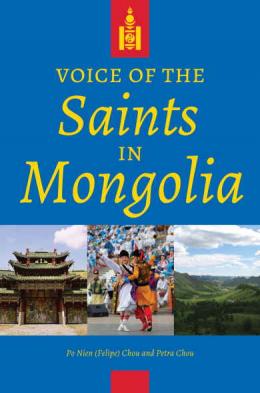
Voice of the Saints in Mongolia by Po Nien (Felipe) Chou and Petra Chou is an informative account of the establishment and growth of The Church of Jesus Christ of Latter-day Saints in Mongolia. As the first comprehensive history of the Church in Mongolia, the book breaks historical ground and provides valuable insights into the…
-
(Almost) Everyone Gets Battlestar Galactica Wrong….
The most cited article I’ve ever written was also my first professional publication: “Why Your Mormon Neighbor Knows More About This Shows Than You Do” in Battlestar Galactica and Philosophy from Open Court Press (not to be confused with the Battlestar Galactica and Philosophy from Blackwell Press). One reason I wrote that article was that…
-

“Oh God, Where Art Thou? (!)” On Anger at God
I had a season in my life when I was angry at God and it was more than a passing blip that was quickly buried under fear of getting struck by lightning. Anger at God is in some ways the summun malum of sin. Having moments of weakness that lead to poor decisions is one…
-
W. Paul Reeve on Race and the Priesthood
The race-based priesthood and temple ban that the Church of Jesus Christ of Latter-day Saints had in place from the 1850s until 1978 is a heavy, but important subject to study. I’ve shared a review about W. Paul Reeve’s recently-released Let’s Talk About Race and Priesthood where I stated that it was one of “the…
-

Sink Me, the Prophet’s a Poet
Joseph Smith rarely wrote poetry, but there are a couple notable exceptions.
-
Susa and Alma’s Divorce
In Saints, volume 2, one of the key players was Susa Young Gates. A prominent daughter of Brigham Young who went on to do a lot of notable activities herself, Susa is a relatively well-known figure in Latter-day Saint history. One aspect of her story that received attention in Saints was Susa Young Gates’ divorce with Alma Dunford.…